

Traveling is exciting, but nothing ruins the experience faster than standing out as the stereotypical tourist. You know the image: a bright Hawaiian shirt, an oversized camera, selfie stick in hand, and eating at the nearest chain restaurant instead of trying something new. Not only does this make you an easy target for scams, but it also keeps you from experiencing the heart of a destination.
The good news? You can enjoy the thrill of exploring new places while blending in with the locals. This guide includes simple, practical tips to help you travel like a local, avoid unwanted attention, and create authentic memories.

Why blending in matters
Looking like a tourist isn’t just about appearance; it’s about behavior, awareness, and respect for the place you’re visiting. Here are a few reasons why blending in is worth the effort:
- Safety: Tourists are prime targets for pickpockets, overpriced taxis, and scams. Acting less like a visitor makes you less vulnerable.
- Respect: Following local customs and traditions shows appreciation for the culture you’re exploring.
- Authenticity: The best parts of travel often happen when you step outside the tourist bubble and live like the people who call that place home.
- Better treatment: Locals may give you more respect (and sometimes better prices) if you don’t scream “outsider.”
1. Do your homework before you go
The first step to not looking like a tourist is preparation. A little research goes a long way.
- Learn the basics of etiquette: In Japan, eating while walking is frowned upon. In Thailand, never touch someone’s head. In Italy, meals are meant to be savored slowly, not rushed. These small details matter.
- Check dress codes: Did you know high heels are banned at some ancient sites in Greece? Or that you can’t walk around in a bathing suit in Barcelona unless you’re at the beach? Understanding local rules keeps you from making embarrassing mistakes.
- Understand the rhythm of life: In Spain, shops often close in the afternoon for siesta. In France, many businesses close on Sundays. Knowing these schedules helps you avoid frustration and makes you look more prepared.

Quick reference: Local customs
| Country | Custom to Know | What NOT to Do |
| Japan | Bow as a greeting | Don’t eat while walking |
| Thailand | Respect the head (never touch it) | Don’t point feet at people or religious objects |
| Italy | Meals are long and social | Don’t rush through dinner |
| France | Always say Bonjour before starting a conversation | Don’t skip greetings; it’s considered rude |
| Russia | Smiling at strangers is uncommon | Don’t assume friendliness will be returned. |
Awareness of these little things instantly sets you apart from the tourist crowd.
2. Dress and act like you belong
Your clothing says a lot about you. Tourists often stand out because they wear things locals wouldn’t.
- Avoid “tourist uniforms.” Baseball caps, fanny packs, loud Hawaiian shirts, or activewear in museums all shout, “I don’t live here.”
- Match the local style. In Paris, people favor neutral colors and chic, simple outfits. In Tokyo, fashion tends to be sharp and modern. In Los Angeles, casual is king. Adjust accordingly.
- Pack smart casual pieces. Clean sneakers, dark jeans, a scarf, or a simple jacket can take you from day sightseeing to evening dinner without looking out of place.
Pro tip
Don’t carry a giant camera around your neck or a selfie stick in crowded areas. If you want photos, use a discreet smartphone or compact camera. Ask a local if you need a picture of yourself; it may spark a friendly conversation.

3. Immerse yourself in the local way of life
The best way to travel like a local is to live like one, even if just for a short while.
Stay smart
Hotels in the city center save time, but for more authentic experiences, consider locally run guesthouses or apartments in residential neighborhoods. Avoid rentals that harm the housing market, but choose stays that connect you with the community.
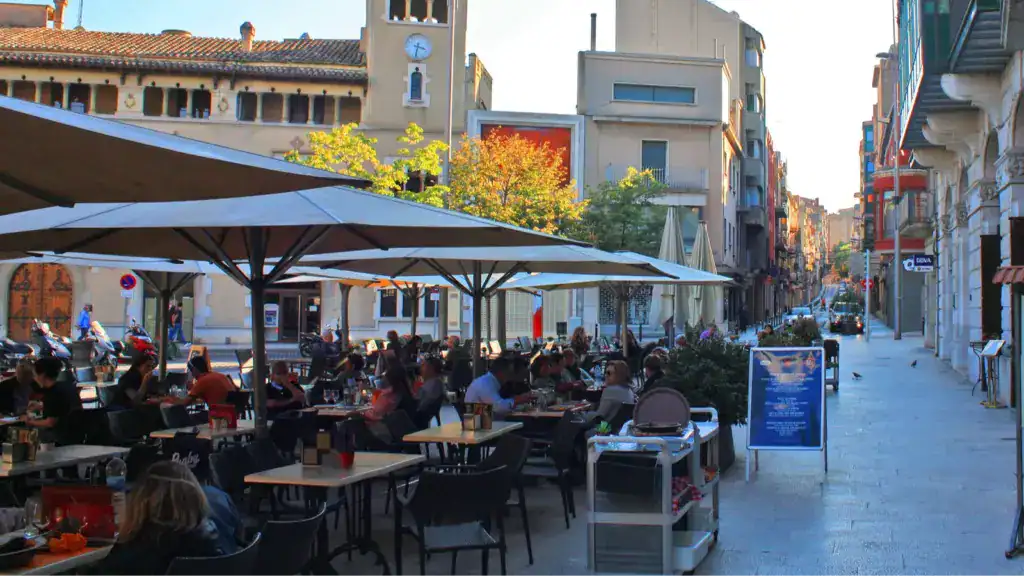
Eat where they eat
Skip the restaurants with giant photos of food in the windows or menus in ten languages. Instead:
- Ask locals where they eat.
- Try street food or family-owned restaurants.
- Taste regional specialties instead of ordering what you’d typically eat at home.
For example, don’t ask for paella in northern Spain; it’s not a local dish. Instead, try pulpo a la Gallega (Galician octopus). Don’t expect pineapple on pizza in Italy; opt for a Caprese salad in Capri, where it originated.
Use public transport
It may seem intimidating initially, but buses, trams, and trains show you how the city works. You’ll save money, move around faster, and blend in with commuters. Just avoid peak rush hours if you’re carrying luggage.
Learn the language basics
You don’t need to be fluent, but even a few words can change your whole experience:
- Hello / Goodbye
- Please / Thank you
- Excuse me
- How much?
- Where is…?
Locals appreciate the effort, even if your pronunciation isn’t perfect. It shows respect and often leads to warmer interactions.
4. Travel with confidence and curiosity
Blending in isn’t about pretending you’re not a visitor; it’s about moving with awareness.
- Walk with purpose. Even if you’re lost, don’t wander looking at maps in the middle of the street. Step aside, check your phone quietly, then continue like you know where you’re going.
- Be cautious, but not paranoid. Scams exist everywhere: fake petitions in Paris, overpriced taxis in Madrid, “friendship bracelets” in Rome. A healthy dose of skepticism will save you money and stress.
- Slow down. Instead of cramming in every landmark in two days, stay longer in one place. You’ll see more, spend less time rushing, and discover hidden gems.
- Connect with people. Strike up conversations with baristas, shop owners, or fellow commuters. Locals often love sharing their city with curious, respectful visitors.

Key takeaways for traveling like a local
Traveling like a local isn’t about disguising who you are; it’s about respect, awareness, and openness. Here’s the quick checklist:
- Research local customs and etiquette before you go
- Dress in a way that matches the culture and avoids tourist stereotypes.
- Eat, shop, and move around the way locals do
- Learn a few basic phrases in the local language.
- Use public transport and avoid large tourist groups.
- Stay flexible and curious instead of rushing through a checklist.
- Always move with confidence, even if you feel unsure.
By following these simple steps, you’ll avoid being “that tourist” and experience travel in its richest form through genuine connections, authentic discoveries, and memories that last a lifetime.
Read More From This Brand:
- Types of Tourism
- Travel Safety Tips for Tourists Traveling to Guatemala
- Traveling? Take Note of These 15 Worst Tourist Traps in the World
This Article was made with AI assistance and human editing.

