

Sometimes the best way to recharge isn’t about racing up a mountain or pushing through miles of trail. It’s about slowing down, sinking into the rhythms of nature, and letting your body and mind reset. For many, hammocking has become that perfect middle ground. It blends stillness and comfort with the peace of being outdoors, offering a restorative escape from everyday chaos.
In this article, we’ll explore how hammocking became a powerful part of one hiker’s journey, why it’s such a rejuvenating practice, and where to string up your hammock in some of the most beautiful spots across North Georgia. We’ll also dive into hammock camping on longer backpacking trails like the John Muir Trail, and why this simple piece of gear is such a game-changer for outdoor lovers.
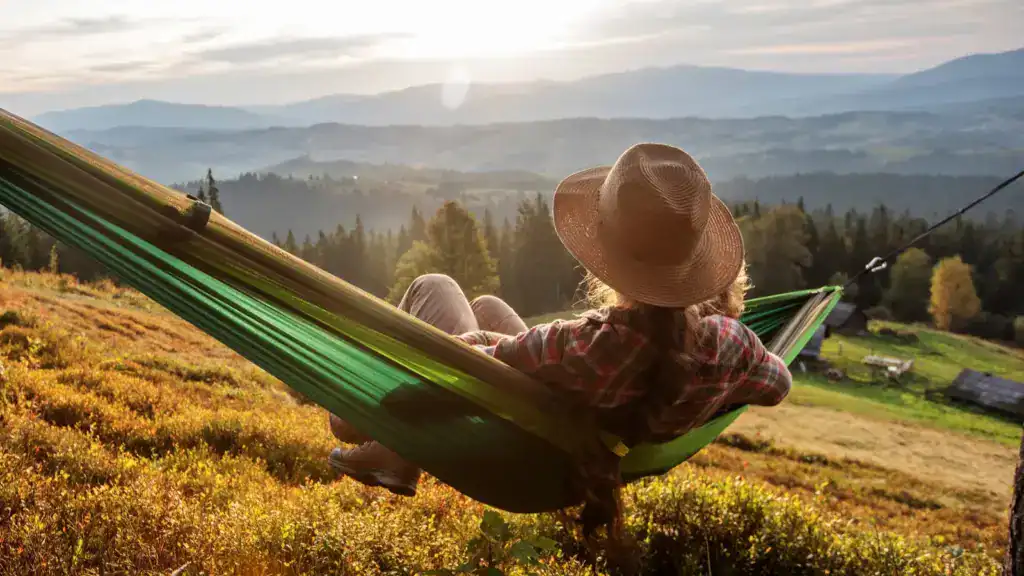
How hammocking became more than just relaxing
For years, spending time outside meant strenuous activity, such as mountain biking, long hikes, or extended days in rugged terrain. But injuries and recovery periods forced a shift in how to enjoy nature. That’s when the hammock came into play.
At first, hammocking was simply about finding rest. With unused gear tucked away in a garage, a forgotten hammock suddenly offered a new way to connect with the outdoors. Sundays soon turned into “hammock days,” where hours were spent strung up between aspen trees high in the Colorado Rockies.
Those afternoons weren’t wasted. They were filled with reading, journaling, sipping a beer, or drifting off for a nap in the sunshine. Over time, these quiet sessions grew into full-blown outdoor rituals, bringing more rest and energy than any couch at home ever could.
Why hammocking feels so rejuvenating
- No distractions – heading out to the mountains meant no cell service, scrolling, or interruptions.
- Protected time – Sundays were kept commitment-free, creating a simple, open space.
- Immersion in nature – the sound of wind through the trees, the shift in clouds before a storm, and the slow rhythms of the forest gave every trip a sense of wonder.
This form of stillness echoes the Japanese practice of shinrin-yoku, or “forest bathing,” where sitting quietly among trees provides mental clarity and physical calm.

The best places to hammock in North Georgia
North Georgia has no shortage of trails, waterfalls, and overlooks that make for prime hammocking locations. Our outdoor community shared some of their favorite spots, and the list covers everything from short hikes to more challenging climbs.
Here are some top picks for hammocking destinations:
| Location | Highlights | Trail Difficulty | Why it’s excellent for hammocks |
| Yonah Mountain | Expansive open summit views, almost 5 miles round trip | Moderate to strenuous | Expansive overlooks are perfect for hammocking at the top |
| Fort Yargo State Park | 260-acre lake, day trip from Atlanta | Easy | Plenty of lakeside trees and picnic areas |
| Hemlock Falls | 2-mile hike along Moccasin Creek | Easy | Quieter trail with shady waterfall views |
| Raven Cliffs | 5-mile trail to waterfalls | Moderate | Dozens of creekside hammock spots along Dodd Creek |
| Emery Creek | 13+ mile trail with multiple water crossings | Strenuous | Endless chances to hang near pools and cascades |
| Cloudland Canyon | Scenic Waterfall Trail | Moderate | Stunning canyon views, though busier with hikers |
| Tallulah Gorge | Permit required, 1000+ foot descent | Strenuous | Dramatic pools and falls for secluded hammocking |
| East Palisades | Bamboo forest near Atlanta | Easy to moderate | Quick urban escape with unique scenery |
| Springer Mountain | Appalachian Trail starting point | Moderate | Summit views over Blue Ridge forests |
| Indian Seats | 4-mile loop, 600-foot climb | Moderate | Nearly 360° views at the top |
| Vogel State Park | Historic park with lakefront views | Easy to moderate | Relax by the lake after short hikes |
Each spot offers its vibe; some are best for quick afternoon hangs, while others reward longer hikes with breathtaking scenery.

Taking hammocking to the next level with backpacking
For some, hammocking doesn’t stop at day trips. It becomes part of long backpacking journeys. A hammock setup can replace a tent, making it lighter and often more comfortable. Hikers have turned to hammocks as their go-to overnight shelter on iconic trails like the John Muir Trail (JMT) in California.
Preparing for hammock camping on long trails
- Gear upgrades – investing in lightweight hammocks and durable straps ensures comfort and safety.
- Weather readiness – adding rain flies, underquilts, or sleeping pads makes hammocking viable in almost any conditions.
- Flexibility – hammocks allow campers to rest above uneven ground, rocky terrain, or damp areas where tents aren’t ideal.
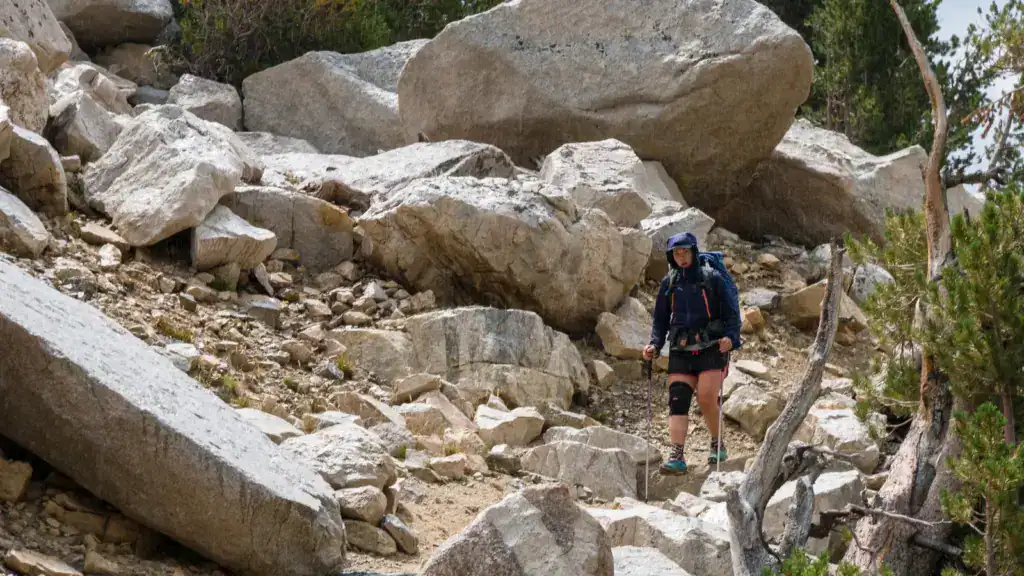
One hiker’s story of preparing for the JMT highlights how empowering hammock camping can be. After testing setups on trails like the Trans-Catalina Trail and the Rae Lakes Loop, the confidence to hammock camp for weeks was built gradually. The hammock became a bed, a place of peace and reflection between miles of strenuous hiking.
The emotional side of hammock camping
Planning for a long trail like the JMT isn’t just about gear, it’s also about mindset. Hammocking became a personal sanctuary after complex life changes and relationship struggles. It represented independence, resilience, and the chance to rediscover joy in solitude.
For anyone thinking about hammock camping, the JMT story proves it’s possible to combine comfort with adventure and find deep personal growth while swinging gently between trees under the stars.
Why hammocking is more than a hobby
Whether it’s an afternoon nap by a creek or weeks spent camping under mountain skies, hammocking has grown beyond a casual activity. It’s now seen as a tool for wellness and balance.
Here’s why it resonates so strongly with so many:
- Accessibility – Hammocks are lightweight, affordable, and easy to carry anywhere.
- Connection with nature – they immerse you in the environment rather than separating you from it.
- Rest and recovery – hammocks encourage slowing down, something often missing in our high-speed lives.
- Community and solitude – hammocks can be enjoyed solo for quiet reflection or with friends on group adventures.
It’s no wonder hammocking has gained popularity worldwide, from backyards and city parks to mountain summits and beaches.
Key takeaways
- Hammocking began as a way to enjoy nature without strenuous activity, but evolved into a weekly ritual for rejuvenation.
- Quiet time in a hammock offers forced disconnection, deep relaxation, and immersion in natural rhythms.
- North Georgia features incredible hammocking destinations, from waterfalls to mountain summits.
- Hammock camping works even on long trails like the John Muir Trail, offering comfort, flexibility, and emotional rewards.
- More than a pastime, hammocking is a lifestyle shift that blends wellness, outdoor connection, and personal growth.
So next time you’re planning an outdoor escape, pack your hammock. Whether it’s a day trip to your local forest or a month-long adventure on a famous trail, you’ll discover that sometimes the best way to experience nature is simply to swing, breathe, and just be.
Read More From This Brand:
- These Vacation Spots in Canada are Irresistible and Alluring
- Don’t Miss! Breathtakingly Beautiful North Carolina Vacation Spots
- Visit Any of These East Coast Vacation Spots on Your Next Holiday
This article was made with AI assistance and human editing.


