

Long-haul flights can be intimidating for anyone, but add kids into the mix, and one fear that looms larger than the rest is jet lag. Parents worry about sleepless nights, cranky toddlers at 3 a.m., and a first day of vacation that feels like a zombie movie. But jet lag doesn’t have to ruin your trip. With the right strategies, you can turn those first 24 hours after landing into a smooth adjustment period.
I’ve lived it. On trips from London to New York, Portland, and even Southeast Asia, I’ve experienced the chaos of mismanaging jet lag with my family and the calm that comes when planning ahead. The difference is night and day literally.
This guide is your hour-by-hour survival plan, combining personal experience with practical tips from seasoned travelers and medical experts. Whether traveling east or west, solo or with kids, here’s how to reset your body clock and enjoy your destination.
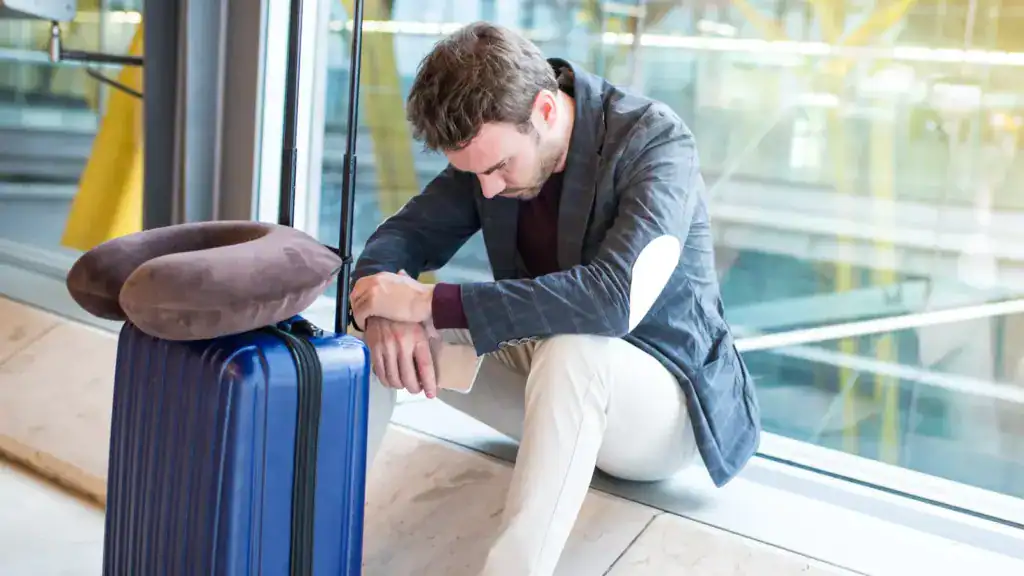
Why jet lag happens (and why east is harder than west)
Before diving into the survival plan, let’s quickly cover why jet lag hits so hard.
Your body runs on a built-in circadian rhythm, a 24-hour cycle that tells you when to wake, eat, and sleep. This rhythm is regulated mainly by light exposure and the release of melatonin, the hormone that signals bedtime.
When you cross several time zones, your body still operates on “home time,” even if your watch says otherwise. Traveling west is usually easier because your body naturally prefers slightly longer days. Traveling east is tougher, since you’re forcing your body to fall asleep earlier than it wants to.
Common jet lag symptoms
- Fatigue and sleepiness at odd hours
- Early morning or middle-of-the-night wakeups
- Stomach troubles or loss of appetite
- Irritability, brain fog, or mood swings
- Trouble focusing or making decisions

How long does jet lag last?
The general rule is that it takes about one day to recover per time zone crossed. However, age, health, flight schedule, and travel direction matter.
| Time Zones Crossed | Average Recovery Time | Easier Direction | Tougher Direction |
| 3–4 hours | 1–2 days | West | East |
| 5–7 hours | 3–4 days | West | East |
| 8–10 hours | 4–6 days | West | East |
| 11+ hours | Up to a week or more | West | East |
Tip: If you’re only traveling for a few days, you may be better off staying partially on “home time” instead of forcing a full adjustment.

Step 1: Smart moves before and during your flight
Beating jet lag begins before you board the plane. A little prep goes a long way.
Adjust your schedule early
If you’re heading east, try going to bed an hour earlier for 2–3 nights before departure. If you’re going west, stay up later. Shifting gradually helps your body start the reset before you fly.
Pick flight times strategically
- Westbound trips: Aim for a day flight so you land in the evening, ready to sleep.
- Eastbound trips: Go for an overnight flight so your kids can sleep on board and wake closer to local morning.
Choose your seats wisely
Avoid the galley and bathrooms, which are too noisy and have too much foot traffic. Window seats are great for leaning and fewer interruptions. Bulkhead seats with bassinets are gold if you’re flying with a baby, but for toddlers, choose rows where armrests lift so they can stretch across laps.
Limit screens and sugar
Blue light from tablets and seat-back TVs keeps kids wired. Save unlimited screen time for daytime flights. On night flights, dim screens or avoid them altogether. Pack healthy snacks like fruit, granola bars, or cheese sticks to prevent “hangry meltdowns.”
Hydrate like it’s your job
Cabin air is dry. Dehydration makes jet lag worse. Bring refillable water bottles, avoid alcohol and caffeine, and sip steadily throughout the flight.

Step 2: The first 24 hours after landing
Here’s where the real survival plan kicks in. Your choices from the airport to your Airbnb will set the tone for your entire trip.
Hour 1: Arrival and customs
- Set all watches, phones, and devices to local time immediately.
- Resist the urge to think, “It’s midnight back home.” Mentally commit to local time.
Hour 2: Getting to your accommodation
If kids doze off in taxis or transfers, let them, but keep naps short. Think of it as a “recharge nap,” not a full sleep.
Hour 3–6: Fresh air and food
Check in, drop bags, and get outside. Sunlight is your best ally. Eat meals aligned to local time, even if you’re not very hungry. For kids, bananas or apples work wonders to settle stomachs.
Hour 7–10: Light activity
Keep the first day simple: walk in the park, explore the neighborhood, or visit an easy attraction. Skip the all-day sightseeing marathon. The goal is to stay upright until bedtime.
Hour 11–14: Dand wind down
Eat an early dinner, keep it light, and avoid heavy sugar or caffeine. Start bedtime routines as you would at home: bath, story, and brush teeth. Familiar scents like lavender lotion or the same bubble bath from home can signal “sleep time” to kids’ brains.
Hour 15–24: Sleep strategy
- Aim for local bedtime, even if it means kids go down a bit earlier.
- If they wake at 3 a.m., don’t panic. Keep the lights dim, offer a small snack, and encourage them to sleep.
- By the second night, most kids (and adults) adjust significantly.
Step 3: Tools and tricks that help
Sometimes a little extra help makes all the difference.
- Eye masks and earplugs: Block light and sound on flights and hotel rooms.
- Portable blackout curtains: Great for Airbnbs with thin drapes.
- Melatonin (for older kids/adults): In doctor-approved doses, melatonin can help reset the sleep cycle. Use sparingly for 2–3 nights.
- White noise apps: Familiar sounds comfort kids and mask strange noises.
- Comfort items: A blanket or favorite stuffed animal can be magic for anxious or restless little travelers.
Step 4: Be flexible and use jet lag to your advantage
Here’s the secret: sometimes jet lag can work in your favor.
- Kids waking early? Head to popular attractions before crowds arrive. We once visited the Empire State Building at dawn, zero lines, priceless memories.
- Feeling drowsy in the afternoon? Schedule quieter activities like museums or park strolls.
- Struggling with west-to-east adjustment? Make bedtime extra structured and consistent.
Remember, it usually takes no more than three days for kids and a bit longer for adults to fully adjust. So give yourself grace.

Your 24-hour jet lag survival checklist
Beating jet lag isn’t about avoiding it altogether; it’s about minimizing disruption and easing into your destination. If you follow a bright 24-hour plan, you’ll trade sleepless nights for smoother starts.
Key Takeaways:
- Adjust your body clock before you fly (earlier or later bedtimes).
- Pick flight times that align with your kids’ sleep habits.
- Hydrate, avoid too much sugar, and keep screens to a minimum.
- On arrival, get outside in daylight and eat meals at the local time.
- Keep the first day’s itinerary light, with plenty of breaks.
- Stick to familiar bedtime routines, even abroad.
- Use tools like eye masks, white noise, and melatonin (if your doctor approves).
- Stay flexible; sometimes early wakeups mean you beat the crowds.
With these strategies, your family can survive jet lag and even turn it into an advantage. By the time you’ve unpacked at your Airbnb, you’ll already be on your way to a smoother, more enjoyable trip.
Read More From This Brand:
- Must-have Travel Accessories for Kids
- Trying to Stay Healthy When You Travel? Yes it is Possible
- Practical and Useful Tips for Traveling Alone
This Article was made with AI assistance and human editing.


