

One of the best parts of traveling is tasting the food. Every culture expresses its history, values, and creativity through meals. From grabbing skewers on a busy street in Southeast Asia to enjoying a complete meal in an Italian trattoria, eating locally is one of the most direct ways to connect with people wherever you go.
But there’s a challenge: food in tourist zones can be expensive, bland, or simply designed for visitors rather than locals. If you want the real experience, you must know how and where to find it. Eating like a local doesn’t just save money; it helps you discover hidden gems, support small businesses, and connect with a place more deeply.
This guide will show you practical ways to find authentic food while traveling, avoid overpriced tourist traps, and enjoy meals that feel both memorable and affordable.

Why eating like a local makes travel better
Food is more than fuel when you travel; it’s culture on a plate. Choosing local restaurants, street food stalls, or even grocery stores helps you:
- Save money: Local spots are often priced for residents, not tourists.
- Experience authenticity: You’ll eat dishes that locals actually order and love.
- Support communities: Spending money at smaller eateries and markets helps local economies thrive.
- Travel sustainably: Eating seasonal, regional food reduces your environmental footprint.
- Make memories: From chatting with a food stall owner to sharing a communal table, eating locally often creates experiences you’ll remember long after the trip.
Even if you’re not a self-proclaimed “foodie,” these tips can help you enjoy better meals on your travels without blowing your budget.
Simple strategies to find the best local food
Step off the main tourist street
If a restaurant has laminated menus in six languages or someone outside trying to pull you in, chances are it’s a tourist trap. Walk five to ten minutes away from busy landmarks, and you’ll usually find neighborhood cafés, mom-and-pop eateries, and local canteens serving more authentic food at better prices.
Follow the locals
Pay attention to where residents eat. Is there a long lunchtime line of office workers? Do families gather at a particular stall? That’s usually a good sign. Local crowds mean fresh ingredients, fair pricing, and trusted quality.
Explore markets
Markets are cultural playgrounds. You’ll see seasonal produce, handmade goods, and vendors selling ready-to-eat dishes. Whether fresh cheese in France, street snacks in Thailand, or cured meats in Spain, markets let you sample flavors you won’t find in tourist-heavy restaurants. Go early for the freshest food and liveliest atmosphere.
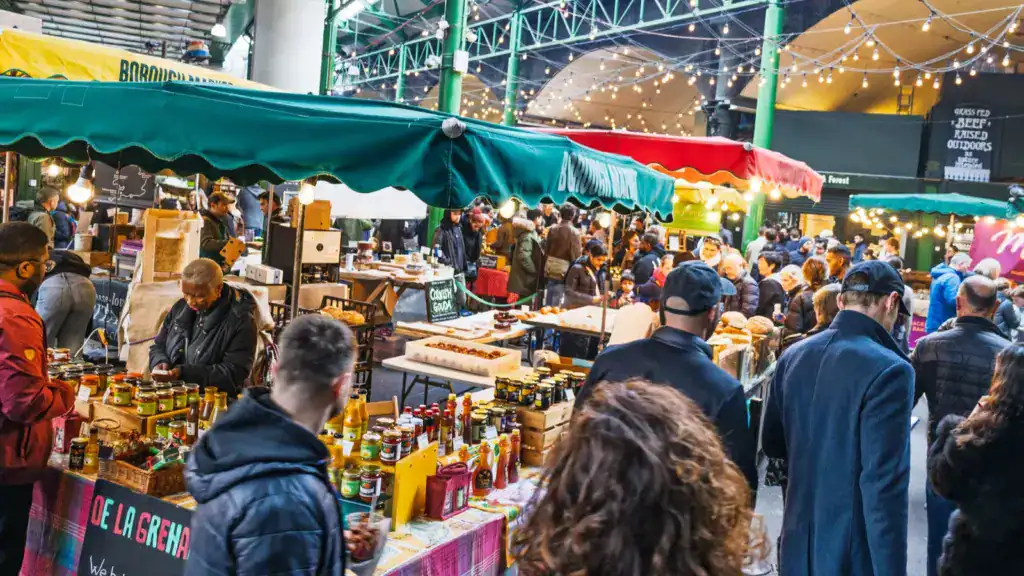
Try street food with care.
Street food is often the heart of a city’s food culture. From crêpes in Paris to banh mi in Vietnam, it’s fast, tasty, and cheap. To stay safe, look for vendors with long lines, lots of turnover, and locals eating there. Avoid stalls that look deserted or unclean.
Use local recommendations wisely.
Asking locals can work, but ask the right people. Bartenders, taxi drivers, and hotel staff often know the best places to eat. Instead of saying “Where should I eat?” ask “Where do you usually eat lunch or dinner?” That small change in wording often brings more genuine answers.
Tools and tips to eat well without overspending
Search the right sources
Skip TripAdvisor’s tourist-heavy reviews and look at local food blogs, niche apps, or regional Instagram and TikTok accounts. In France, Le Fooding offers excellent insights. In Japan, Tabelog is more accurate than Google Maps. Reddit’s local forums can also point you toward great finds.
Look for set menus and lunch deals.
Many restaurants in Europe and beyond offer special lunchtime pricing. In Spain, a menu del día (menu of the day) often includes two or three courses plus a drink for under €15. Italy’s pranzo del giorno or France’s formule midi follow a similar idea. These deals let you try high-quality food at a fraction of dinner prices.
Take a cooking class.
Cooking classes are a fun way to learn about a region’s cuisine. You’ll often visit local markets first, then use fresh ingredients to prepare traditional dishes. It’s a hands-on way to experience food culture, and you bring skills home with you.
Go grocery shopping
Supermarkets and small grocery stores reveal what locals really eat. Pick up bread, cheese, fruit, and wine for a picnic. Try local snacks for a cheap taste test. It’s not just about saving money; it’s also a way to experience daily life.
Ask for a bartender’s or server’s advice.
Bartenders often know the best late-night bites. Servers usually have insider knowledge of where their colleagues eat. Don’t be shy, many in the hospitality industry love sharing local recommendations.

Pay attention to specials and discounts.
Take advantage of happy hours, lunch promotions, and weekday specials. Even upscale restaurants sometimes offer reduced-price lunch menus designed for office workers. It’s a smart way to enjoy fine dining without the hefty bill.
Regional food tips around the world
Each region has its own quirks when it comes to eating locally. Here are some examples:
- Italy: Skip pizza in Tuscany, order regional pasta or bistecca alla Fiorentina instead.
- Japan: Follow the queues if locals wait for ramen or sushi; it’s probably worth it.
- Spain: Plan for late dining hours; tapas bars come alive after 9 p.m.
- France: Bakeries (boulangeries) are must-visit places for affordable and delicious breakfasts or snacks.
- Mexico: Street markets like Mercado Medellín in Mexico City serve fresh, affordable food packed with local flavor.
Ways to eat like a local
| Tip | Why it works | Example |
| Walk away from main streets | Avoids overpriced tourist traps | Restaurants 5–10 minutes from Las Ramblas in Barcelona are cheaper and tastier |
| Follow the locals | Locals know freshness and value | Long lunchtime queues in Japan signal quality ramen spots |
| Explore markets | Seasonal, authentic, affordable | Campo de’ Fiori market in Rome for fresh produce and street eats |
| Try street food carefully | Fast, cheap, authentic flavors | Berlin’s currywurst stalls or Bangkok’s pad thai carts |
| Use lunch specials | Fine dining at lower cost | Michelin-star restaurants in London offer cheaper midday prix fixe menus |
| Ask service staff or drivers | Honest, insider recommendations | Taxi drivers often direct you to hidden, family-run eateries |
| Take cooking classes | Hands-on cultural experience | Oaxacan cooking classes include market visits and traditional recipes |
| Shop at groceries | Discover daily staples and save money | Wine, bread, and cheese picnic in Paris for under €10 |

Key takeaways
- Eating like a local connects you to a destination’s culture, history, and people.
- Step off the main tourist streets and follow where locals eat for authentic flavors.
- Markets and street food stalls provide affordable and memorable food experiences.
- Use apps, blogs, and local staff recommendations to find hidden gems.
- Lunch specials and set menus let you try high-quality meals for less.
- Cooking classes and grocery shopping help you engage with food culture beyond restaurants.
- Each region has unique dining customs; learn them to avoid tourist traps.
- Being curious, adventurous, and open-minded is the key to eating well and spending less while traveling.
With just a little planning and curiosity, every trip can be a feast. Walk into side streets, explore markets, ask the right people, and never be afraid to try something new. You’ll discover that eating like a local is not only delicious but also one of the best parts of travel.
Read More From This Brand:
- Planning a Trip to New York City without Breaking Your Budget
- A Complete Guide to Plan an Affordable Vacation to the Maldives
- Here’s How to Plan a Jaunty and Budgeted Vacation to Tokyo
This article was made with AI assistance and human editing.