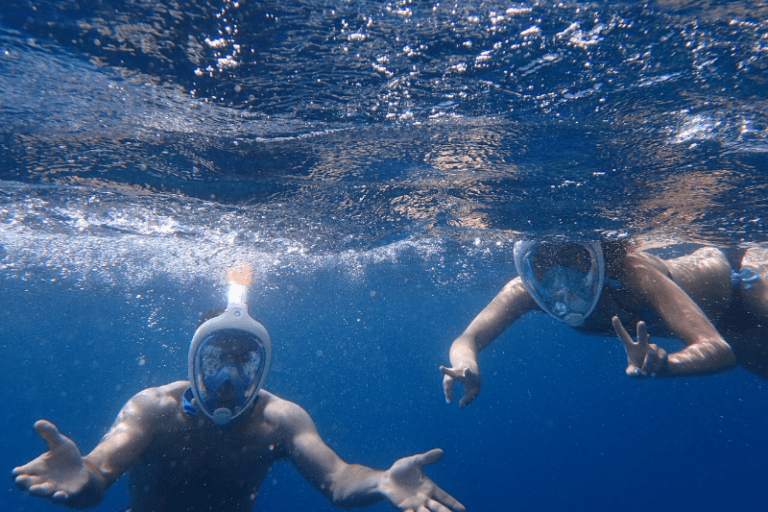

Canyoning, or canyoneering, is the activity of traveling in canyons using a variety of techniques that may include walking, scrambling, climbing, jumping, abseiling, and swimming. Regardless of the duration or complexity of a canyoneering trip, carrying a good selection of gear is absolutely essential, including clothing and abseiling equipment.
Did You Know?
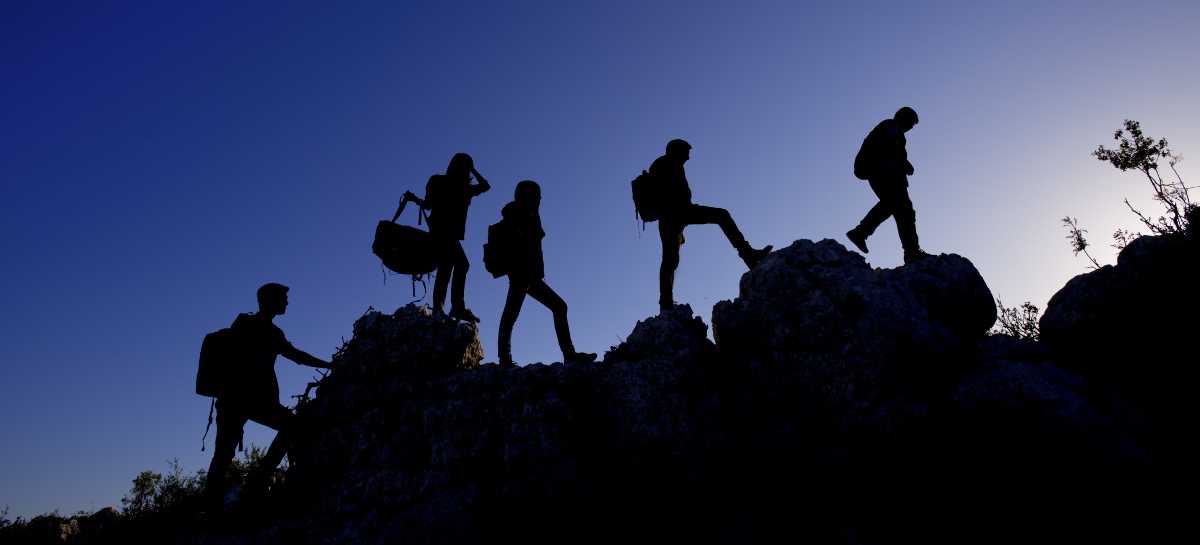
Contrary to popular belief, canyoneering was not invented by alpine mountain climbers. The original canyoneers were Australian bushwalkers who started this activity in their quest to safely navigate through the rugged wilderness of the Australian outback.
Canyoneering Equipment (Clothing/Apparel)
Canyoneering Shoes
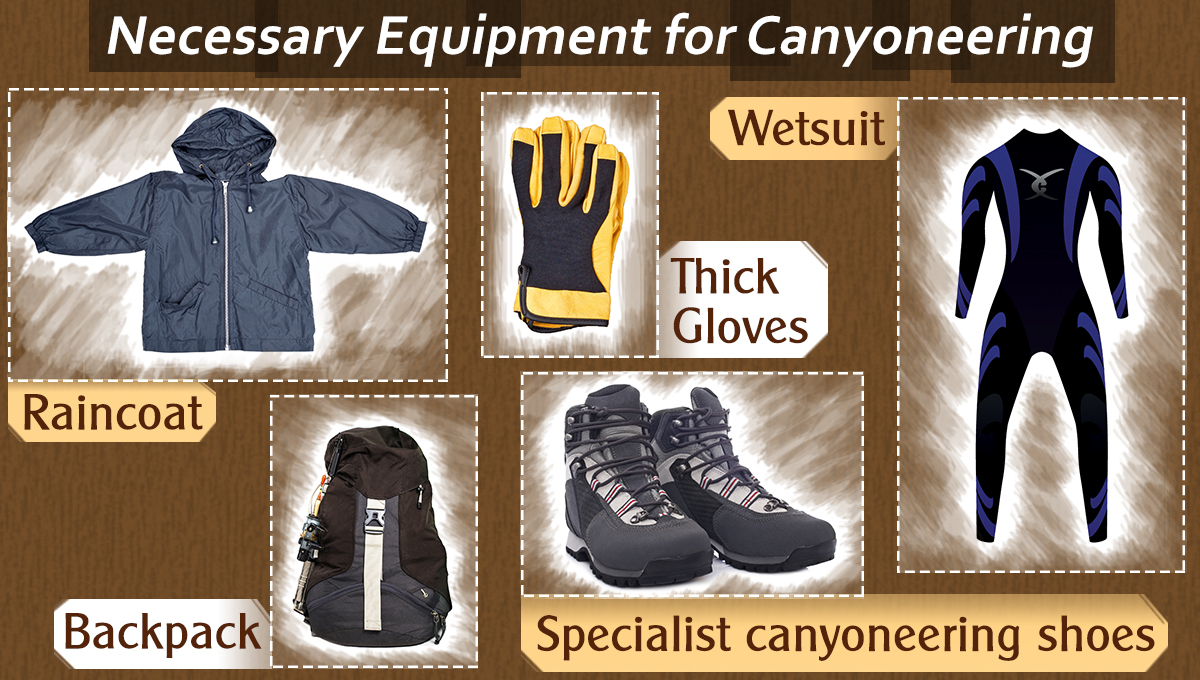
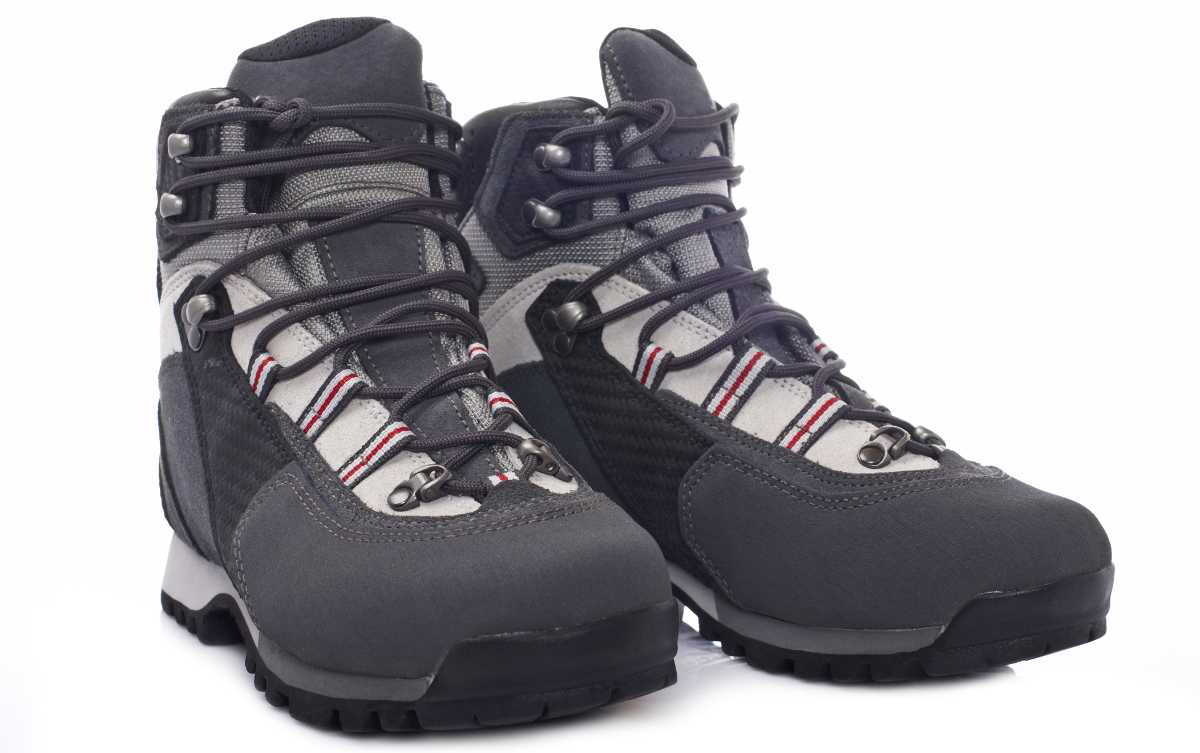
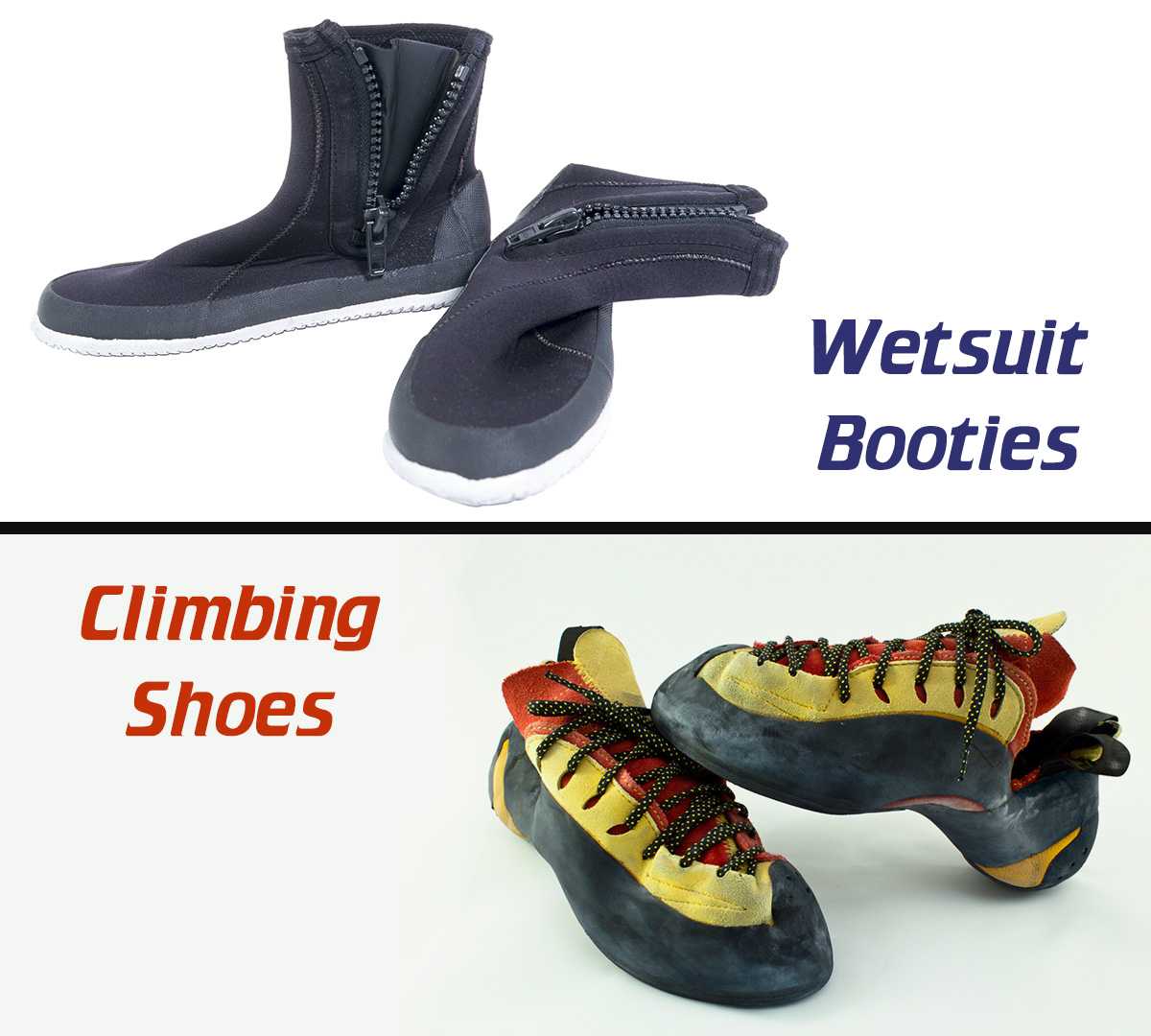
Due to the wet and slippery environment in most canyons, a good pair of shoes is essential. While some canyoneers use soft-soled sneakers, you can also opt for specialist canyoneering shoes if you are serious about the sport. They provide exceptional grip and keep the feet largely dry.
Alternatives for Canyoneering Shoes
You can also use dive shoes/wetsuit booties for canyoneering. Since this is a rough sport, never use shoes which can spoil easily or those which use Velcro straps, as fine sand tends to make them ineffective. Also, never use sandals as they prove ineffective in wet conditions.
Canyoneering Socks
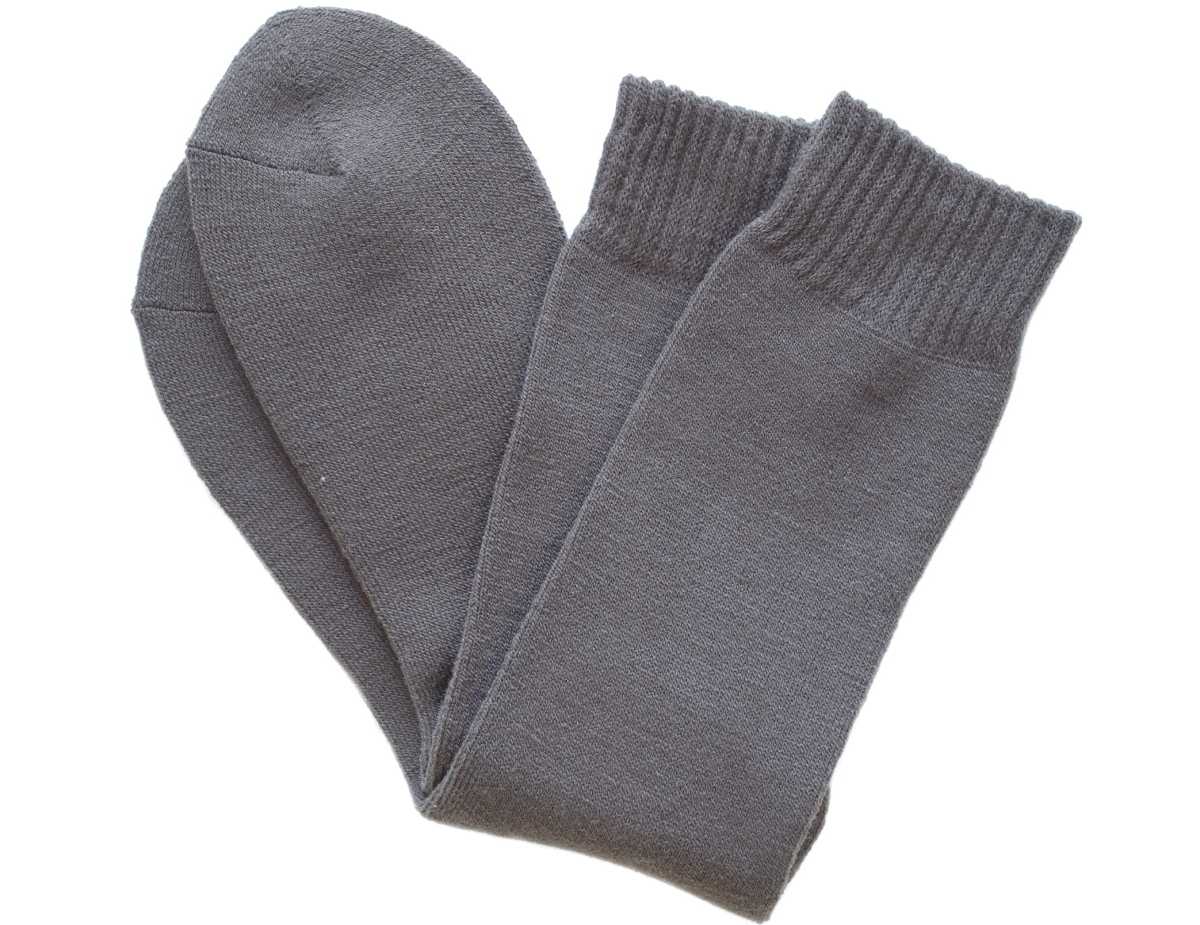
A good pair of socks are almost as important as canyoneering shoes. They keep you warm, prevent blisters, and protect your feet from the sand. Wool, neoprene, or thermal socks are ideal for canyoneering, but you should avoid cotton ones as they take away body heat when wet.
Wetsuit
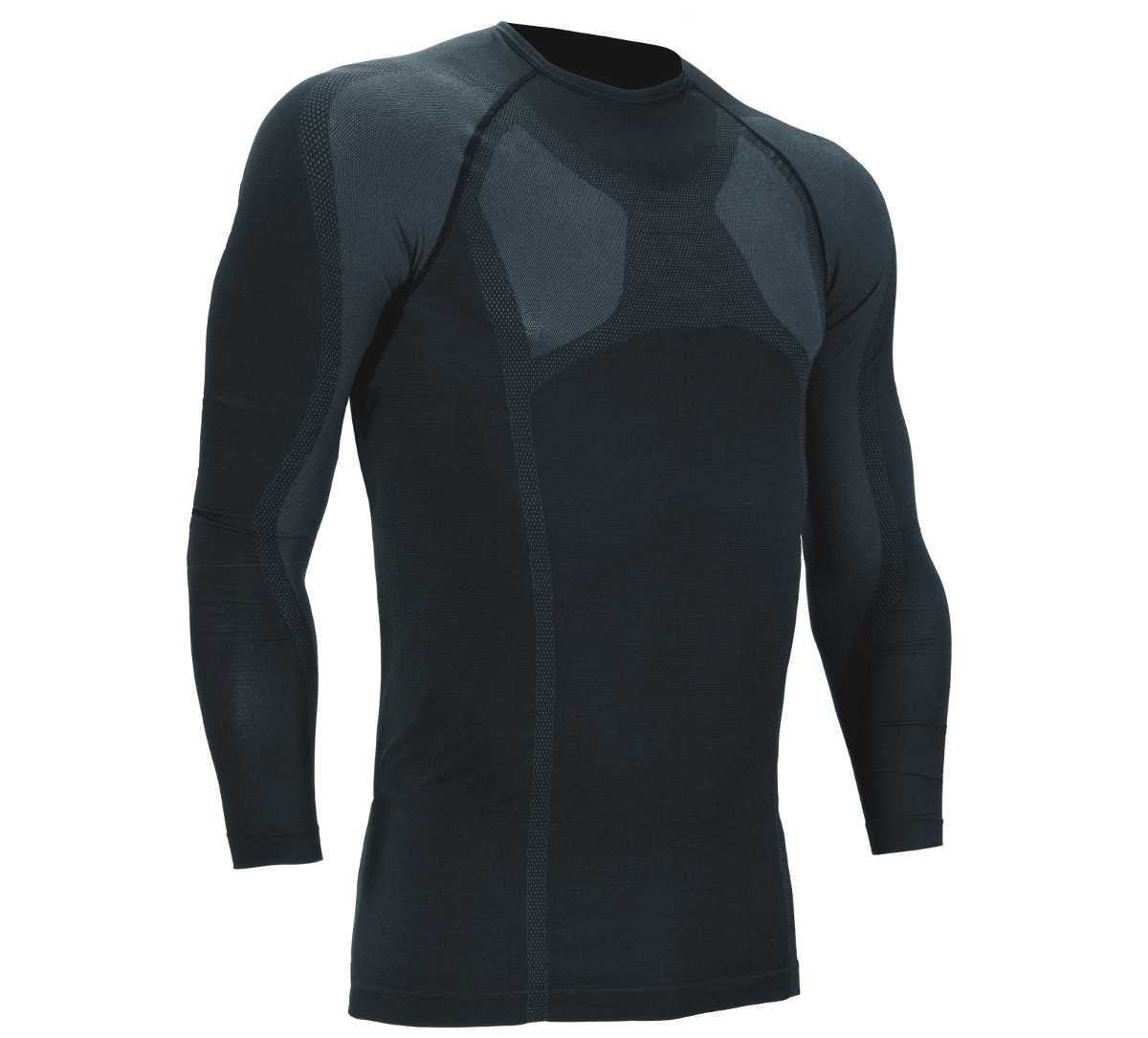
If a canyon route is very wet and filled with pools of water, wetsuits can provide thermal insulation, abrasion resistance, and buoyancy. Drysuits, on the other hand, will keep you completely dry and require less space to store. However, the major problem with drysuits is that they wear out very fast. If the canyon is dry, thermal clothing will suffice. Alternatively, you can try a combination of the three, experimenting to find out what works best for you.
Canyoneer Clothing
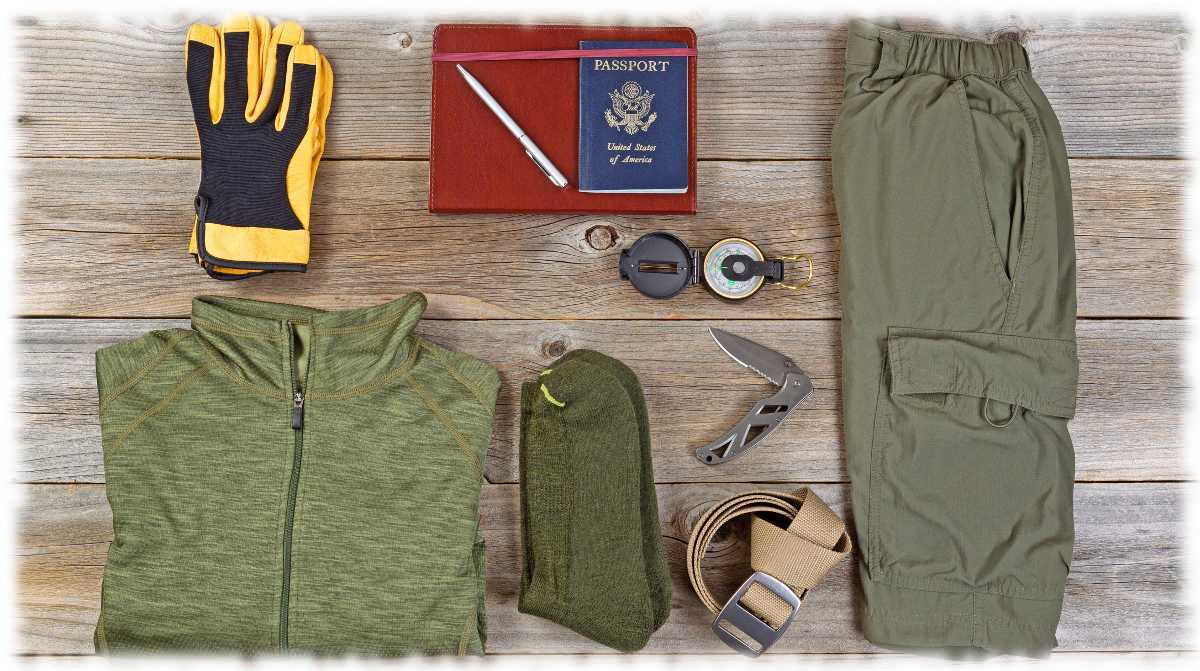
Canyons are very harsh on clothing, so tough synthetic clothes are the best option (avoid cotton). Always make it a point to carry an extra pair of dry clothes along, in case you have to swim or abseil down a waterfall. This is especially important on a multiple-day trip. In cold weather, a fleece jacket can be a great addition to your kit.

Canyoneering Backpack
With the large amount of gear that is needed for canyoneering, a good backpack is a must to carry it all. If you are serious about the sport, invest in a specialist canyoning pack made from vinyl or Cordura, with good drainage. Ensure that your bag has chest and hip straps along with haul loops, which will make it easy for you to move around the rough wilderness.

Light Raincoat
Carrying a lightweight raincoat is not only useful to tackle rainy weather but is also an effective method of keeping oneself warm in wet or windy canyons. Make sure that the raincoat is made of a durable material that can withstand the rough conditions of canyoning.
Abseiling Gear

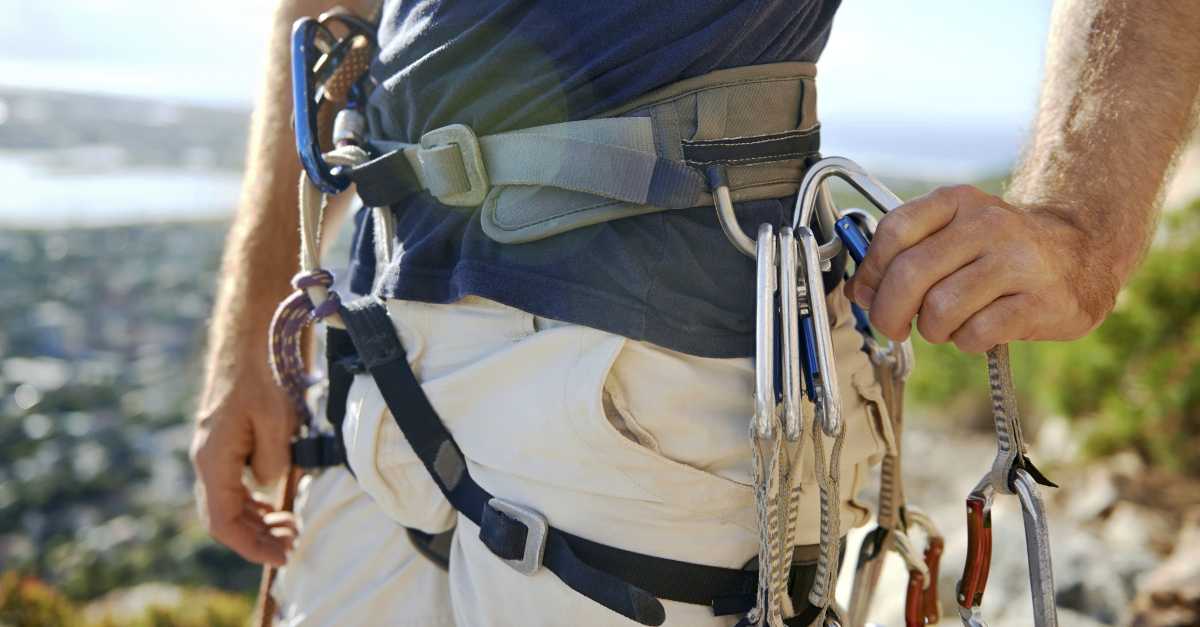
Climbing Harness
Harnesses are indispensable in technical canyons, as they keep you secured to the ropes while abseiling, and hold a number of tools that you may need. Any kind of climbing harness will work well for basic canyoneering. However, while harnesses with padding provide comfort, those without padding don’t absorb water, and are cheaper, sturdier, and easier to maintain.
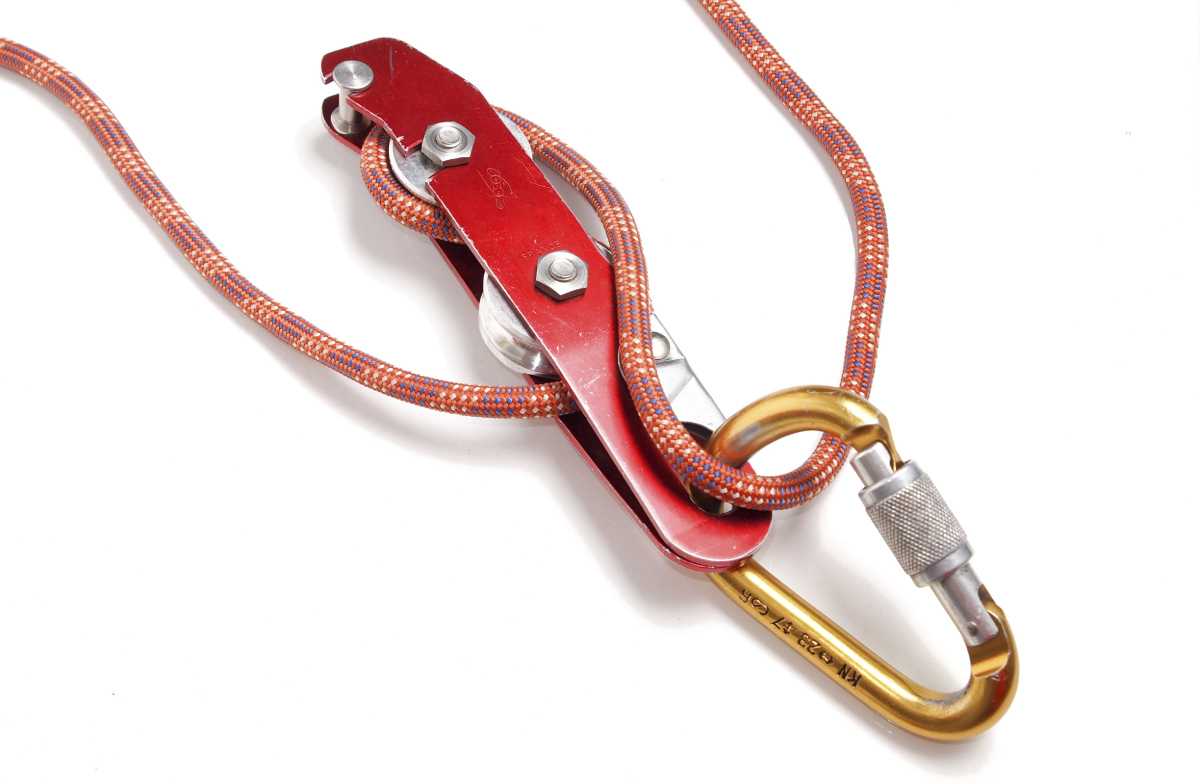
In-Line Descender
Many canyoneers consider descenders to be the most important part of their kit. These equipment come in many varieties, but in-line devices are highly recommended as you can release yourself from the rope without removing the device from the carabiner.

Carabiners
One can use the old-fashioned, heavy steel carabiners, or opt for lighter, aluminum or alloy carabiners, which are usually just as strong. It is important to check for appropriately rated carabiners before purchase, and check regularly for wear and tear.
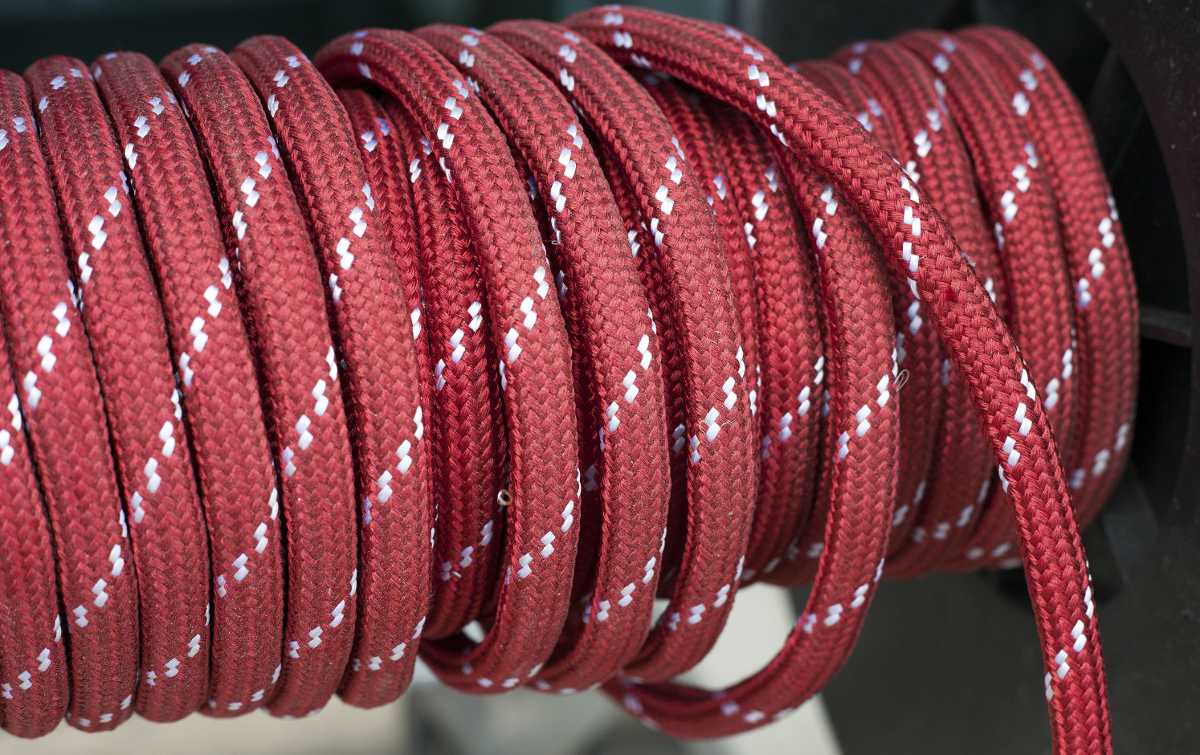
Climbing Ropes
Although dynamic climbing ropes are suitable for canyoneering, static ropes are preferred, because the limited stretch reduces wear and tear, and makes rope retrieval easier. Always prefer those which are water repellent, having a sheath thickness between 8.5 and 10mm. Extra coils of rope are always useful, especially in case of an emergency.
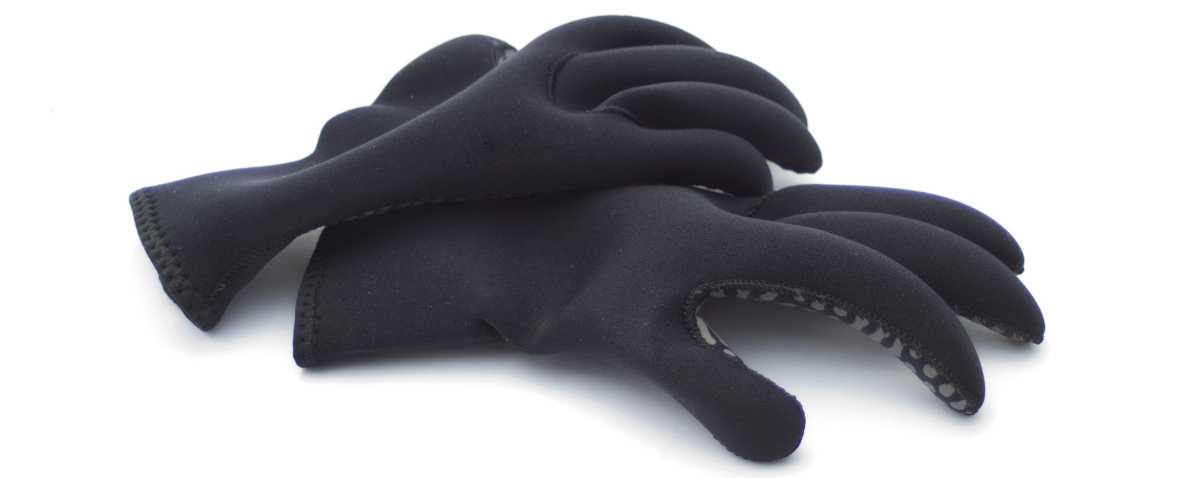
Climbing Gloves
While gloves are not mandatory, they make abseiling much more comfortable, especially if the ropes are dry or sandy. Leather or specialist abseiling gloves will protect your hands from the rough
canyon terrain effectively.
canyon terrain effectively.

Climbing Helmet
This is a very essential piece of safety equipment as it can prevent head injuries from falling rocks or other accidents in the wet, slippery canyon environment. Make sure that your helmet is rated properly, and it is equipped with drainage holes. Although not recommended, bike helmets can be used occasionally.
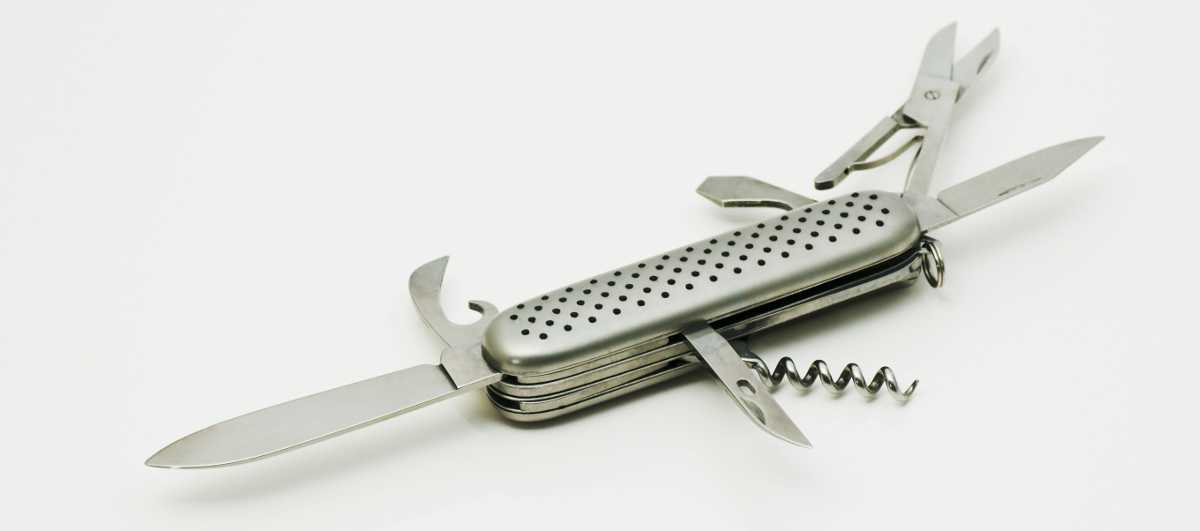
Army Knife
While abseiling, one may have to cut through new or worn slings, for which a knife will be handy. It can also be useful in situations where your hair or apparel gets stuck in a descender, or you have to cut yourself free from a rope in case of an emergency. (Be careful while using knives near loaded ropes, as they are surprisingly easy to cut.)
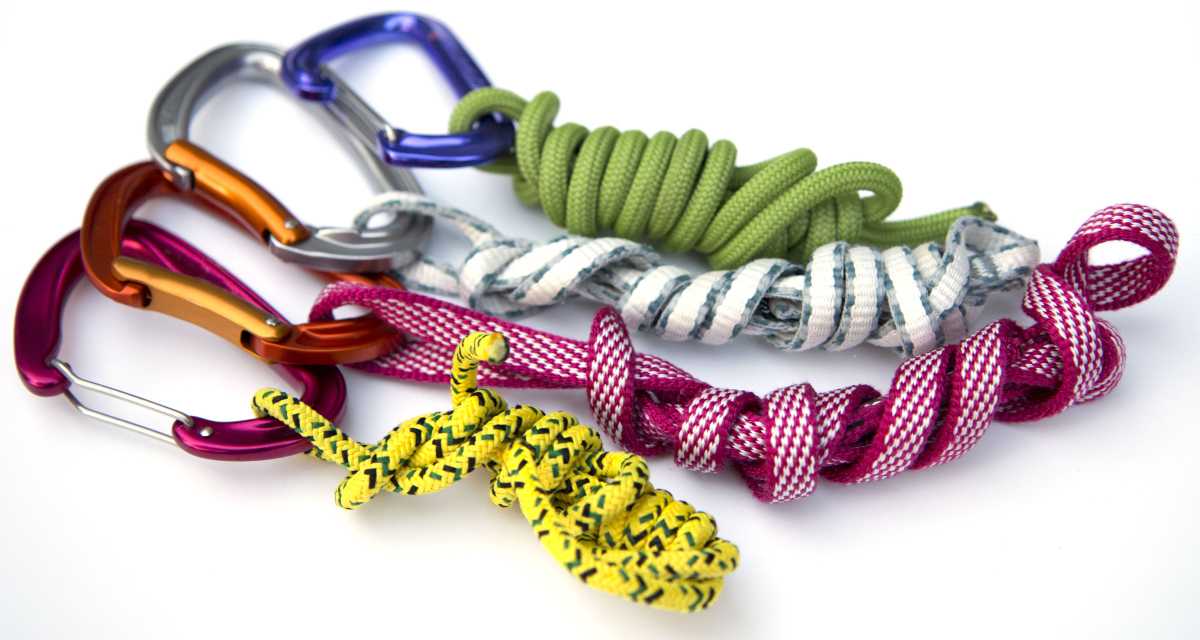
Safety Slings
It is important to have at least a 1-meter long safety line, along with a carabiner, which will help in clipping yourself to an anchor while waiting in an exposed area or while rigging ropes. Nylon safety slings are highly recommended as they have multiple uses.
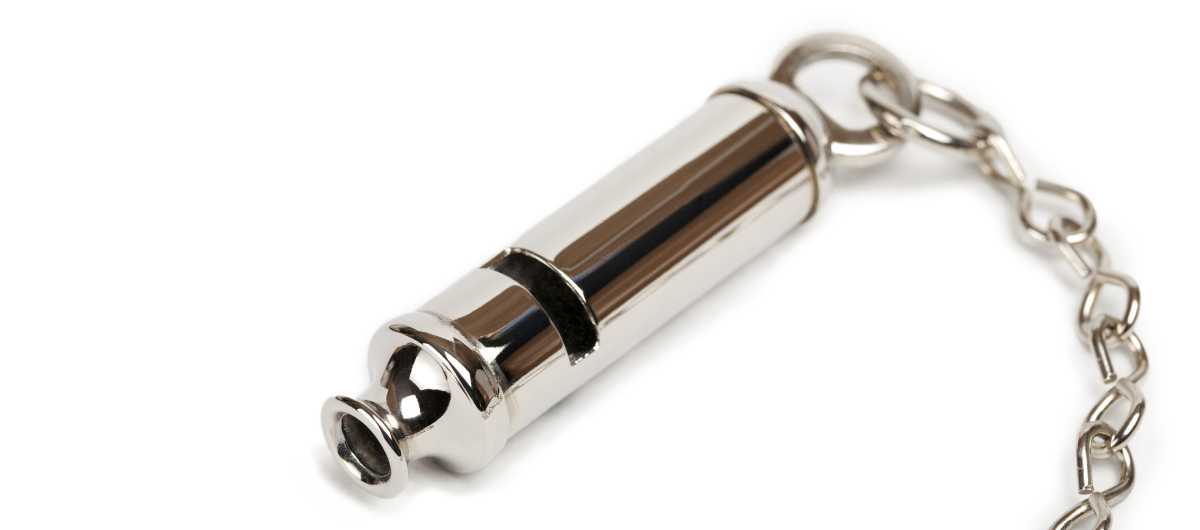
Safety Whistle
Very useful for communication when canyoning in a group, especially in places where loud waterfalls or drops can obscure voices. Ideally, use a whistle which has no moving parts as the balls inside the whistles tend to expand/contract on contact with moisture, thus affecting their efficiency.
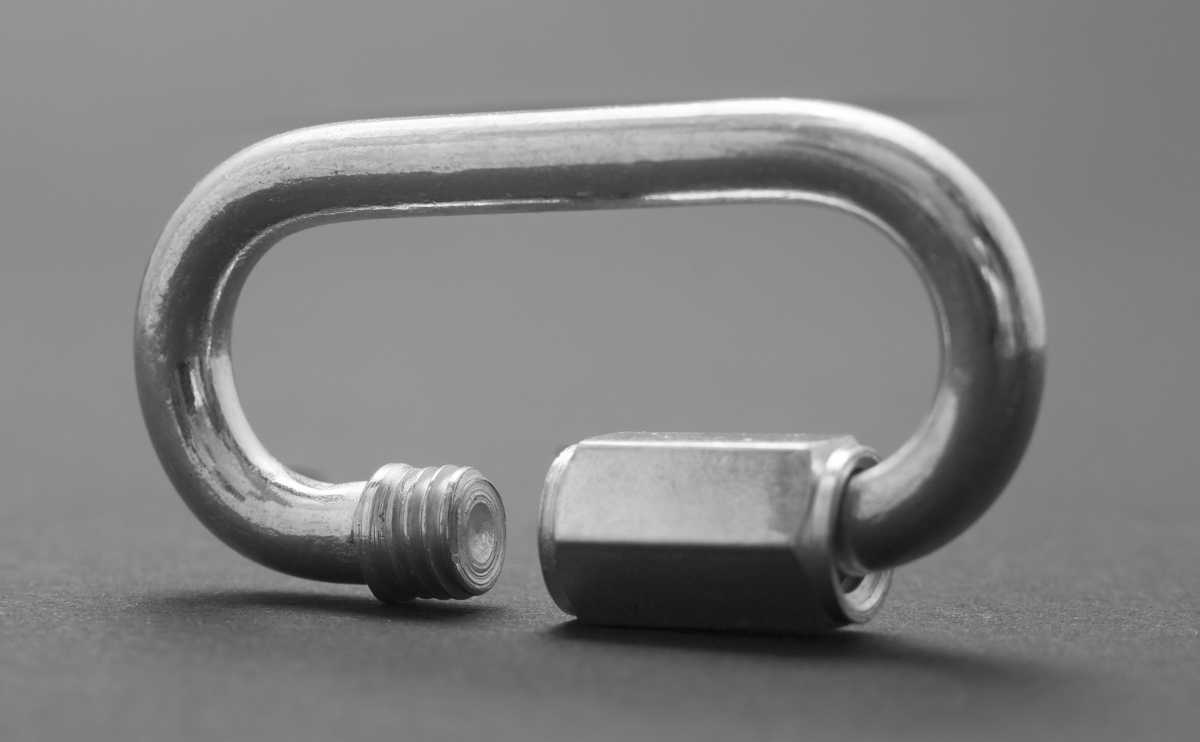
Maillons
Similar to carabiners in appearance, these rated steel links can be used while building an anchor. As they provide less friction and last long, they are ideal for canyoneers who abseil on single ropes, by providing carabiner blocks a fixed point to rest against.
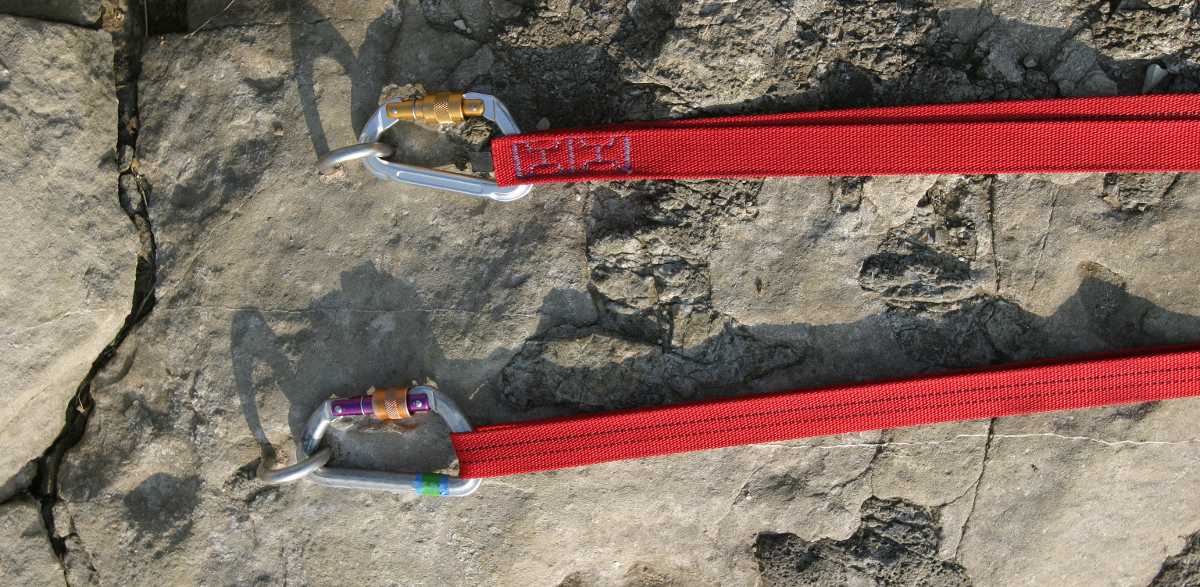
Tape Slings
Tape slings are commonly used by canyoneers to build anchors, and replace old, worn slings from existing anchors. Since they are largely inexpensive, they are often bought and used in bulk.
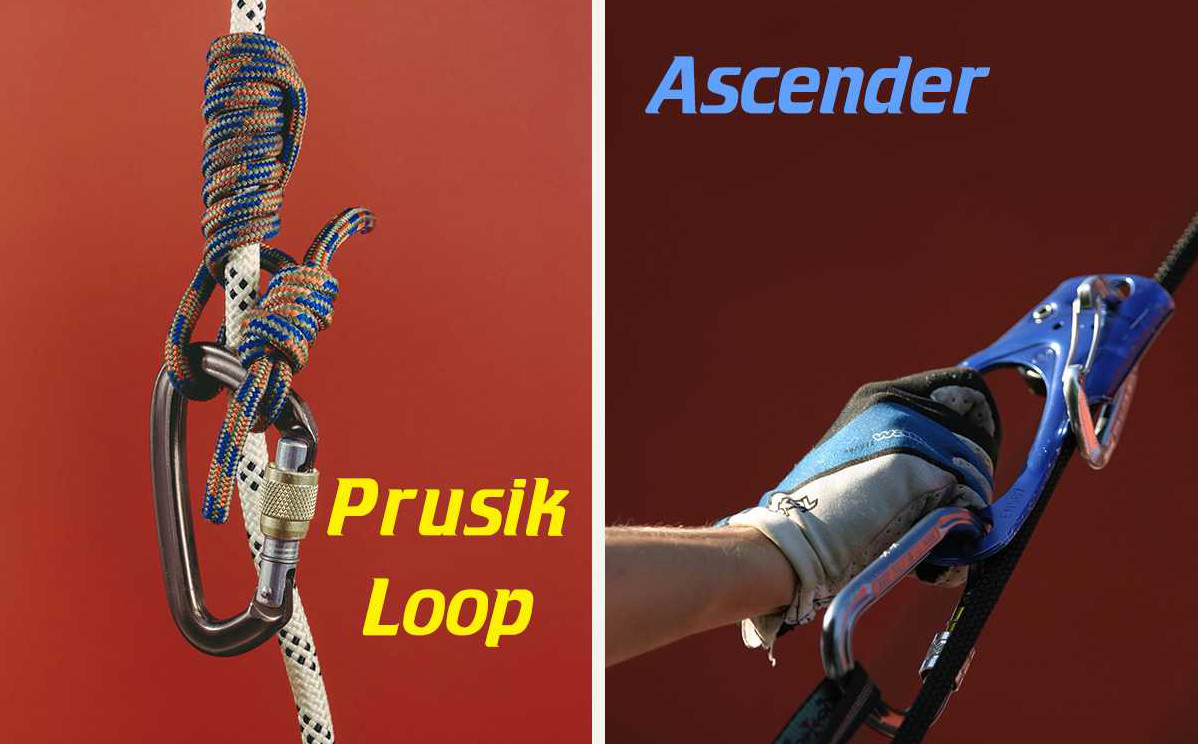
It is important for all canyoneers to know how to make and use prusik loops, as they allow ropes to be used for a safe ascent, and are also used as part of a self-belay system. Canyoneers may also use specialist ascenders, but they are usually more costly, heavy, and bulky.
Miscellaneous Canyoneering Gear

Microfiber Towels
These small, lightweight towels are great for drying off after a wet day, or to keep your equipment dry. They also come in handy in case of injuries, to stanch blood from a flowing wound.
Swimming goggles, although not essential, can come in handy to retrieve any unsecured, non-floating item that you might mistakenly drop in a deep pool.
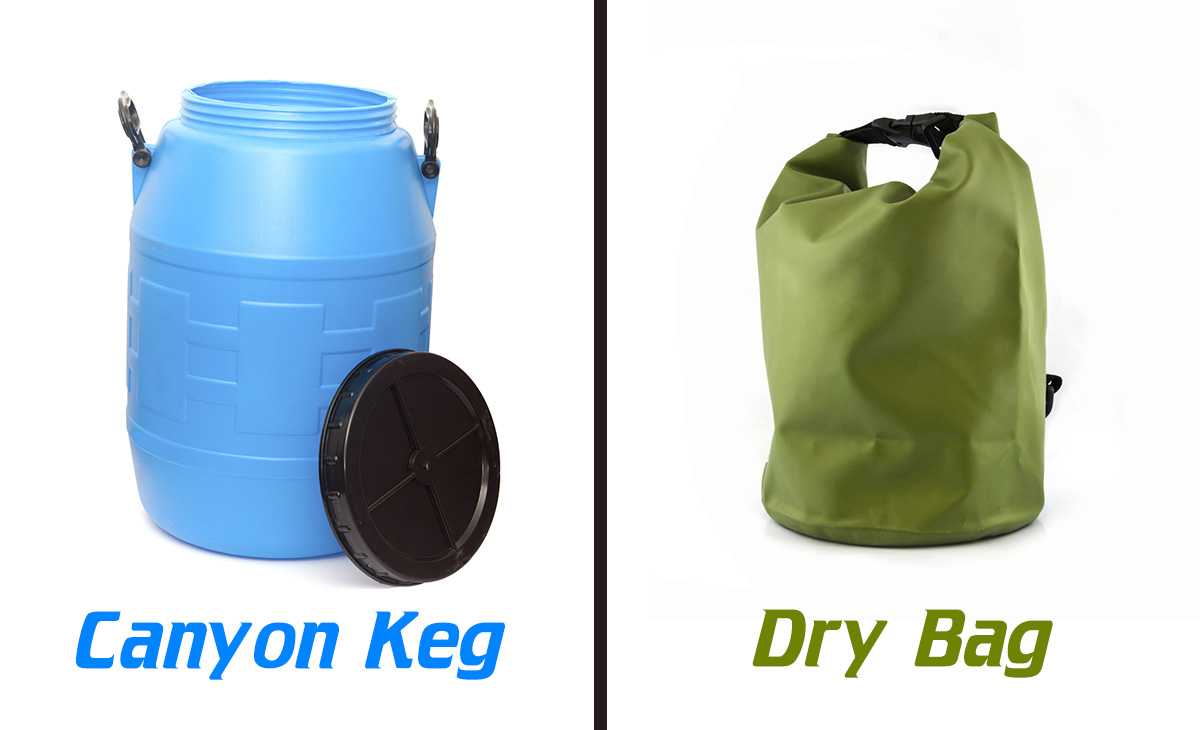
In a sport like canyoneering, getting yourself and your gear wet is nearly unavoidable, which is bad for things like the first-aid kit. Therefore, waterproof dry bags are commonly used to keep items dry. But since these bags are not completely fail-proof, plastic kegs are also available, which are costlier and bulkier, but much more reliable.
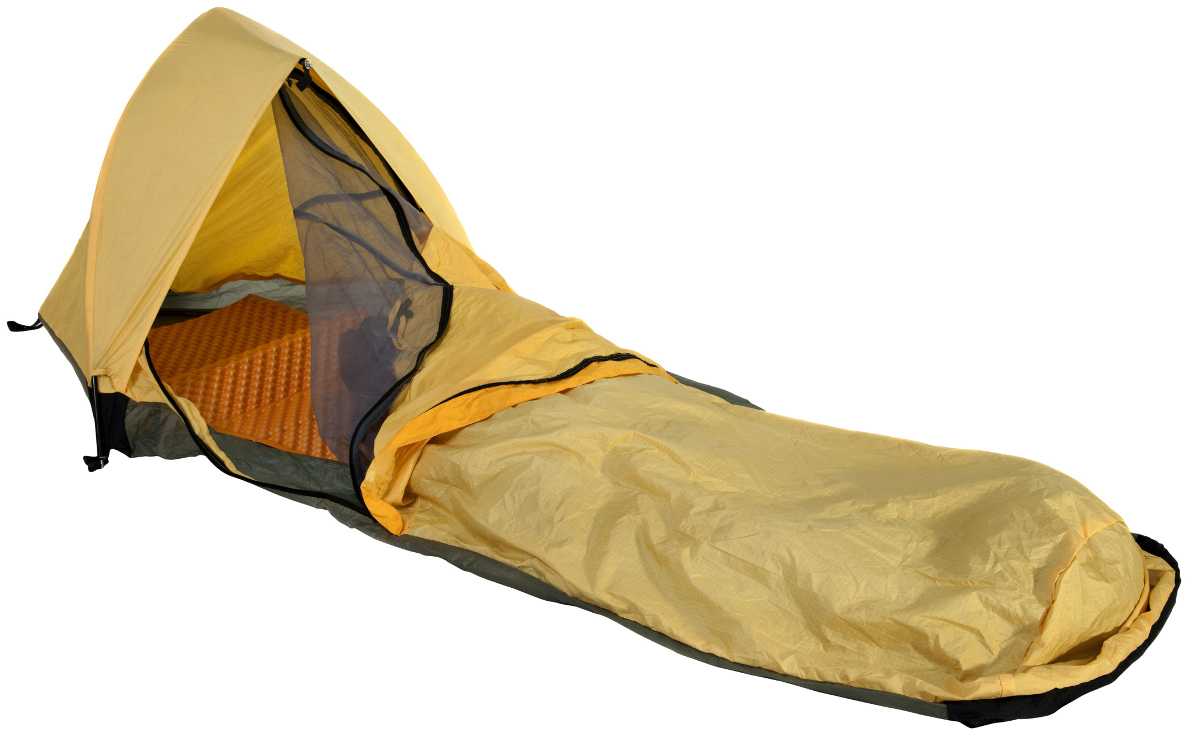
Camping Equipment
Needed especially for multiple-day canyoneering trips, camping equipment including mats, ground sheets, sleeping bags, and fly tents are essential. In warm weather, merely a sleeping bag should be enough. Make sure to store all this equipment in a dry bag.
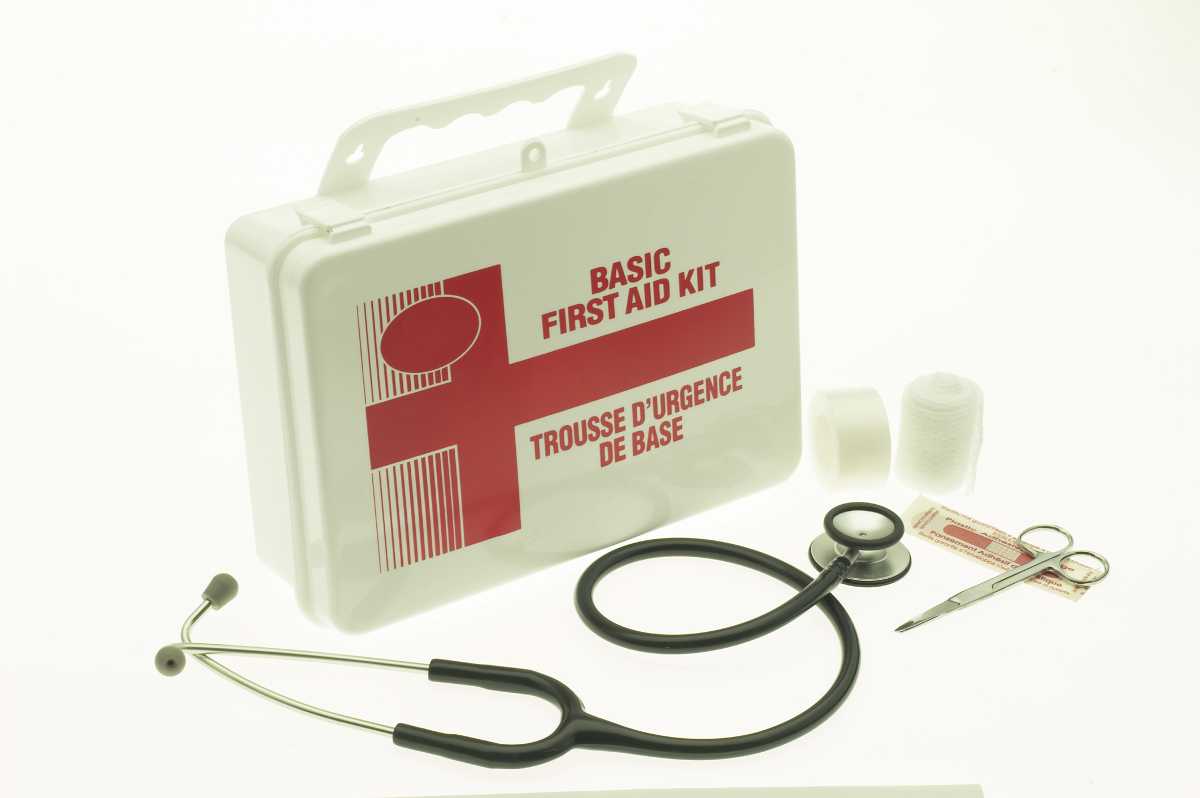
A basic first-aid kit including assorted bandages, thermal blanket, water-purifying tablets, painkillers, anti-inflammatory tablets, Imodium, matches/lighter, disposable gloves, sunscreen, chapstick, insect repellent, etc., is ideal for canyoneering trips. This can help in case of cuts, fractures, sprains, hypothermia, snakebites, etc. Adding a personal locator beacon to the kit is not a bad idea so that rescues during emergencies are performed quickly.
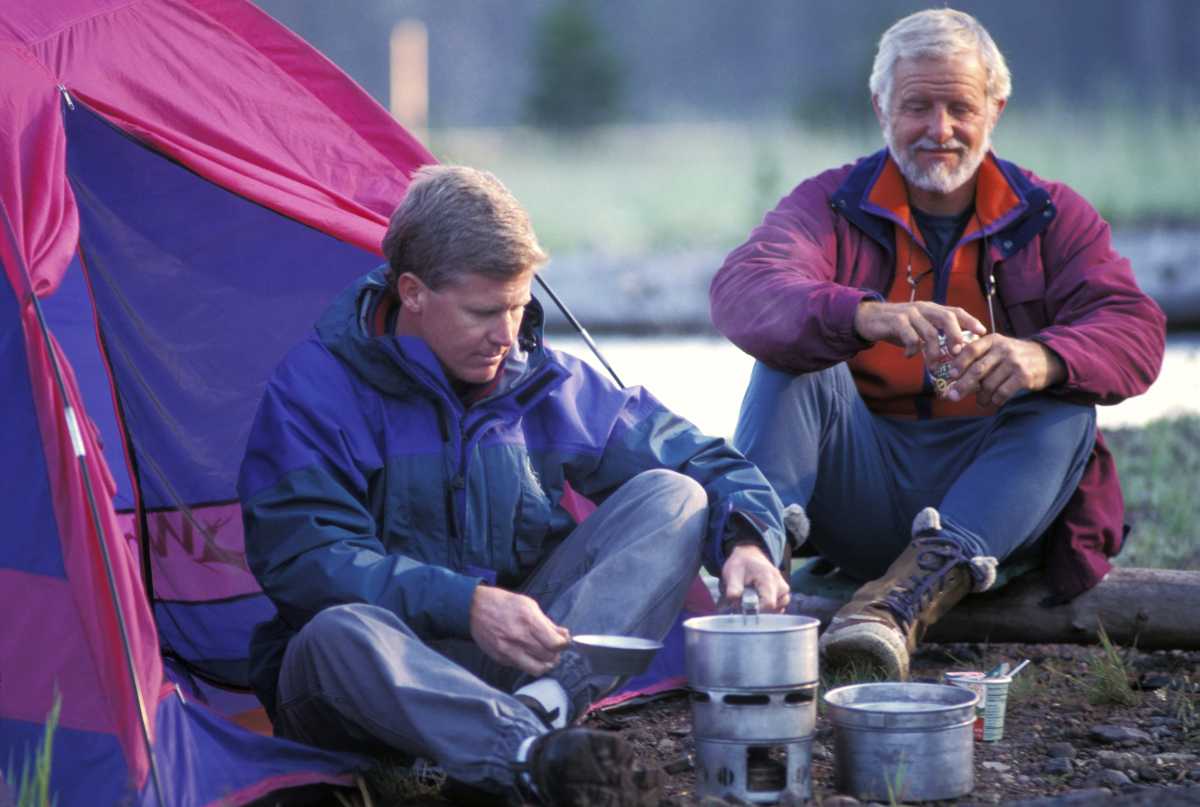
Cooking Equipment
If you want warm food, or if you are on a multiple-day canyoneering trip, carrying items such as a gas cylinder, stove, matches, cooking pot, pot holder, and cutlery is a good idea. Do not use open fires on the ground as canyons are naturally sensitive and scar easily.
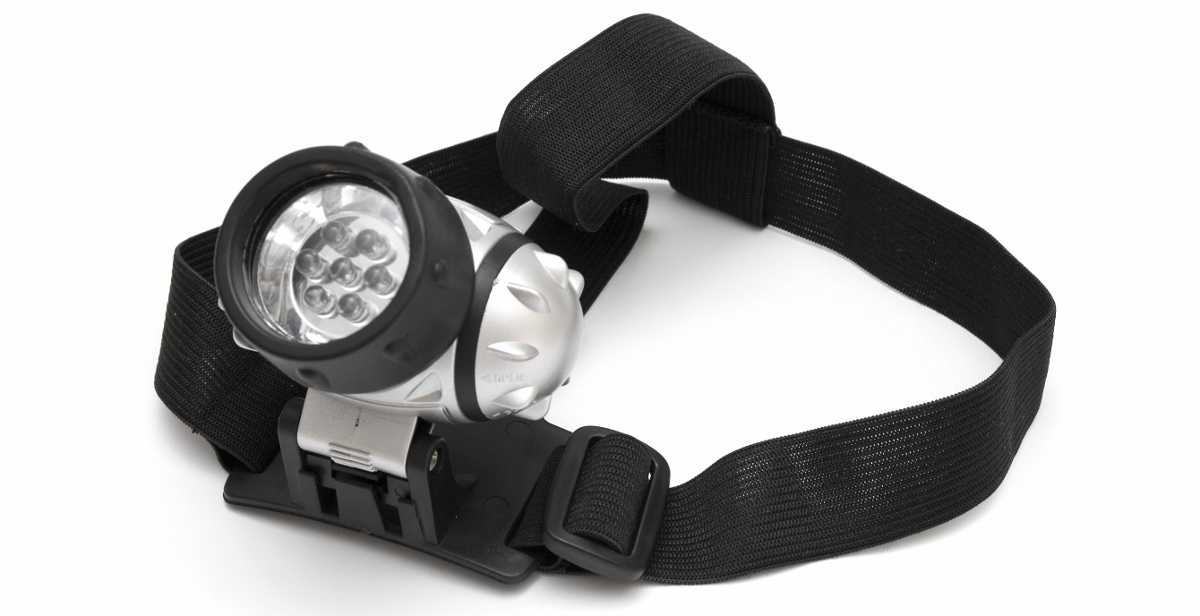
Head Torch
Make sure that you carry a good waterproof head-torch with an extra set of batteries. This will not only help you to move through dark tunnel sections in a canyon, but also help around the campsite after dark.
Carrying an appropriate amount of food and water is absolutely essential on any canyoneering trip as reliable sources may not be available in the wild. Food and water will not only provide energy, but will also help in keeping hypothermia and dehydration at bay.
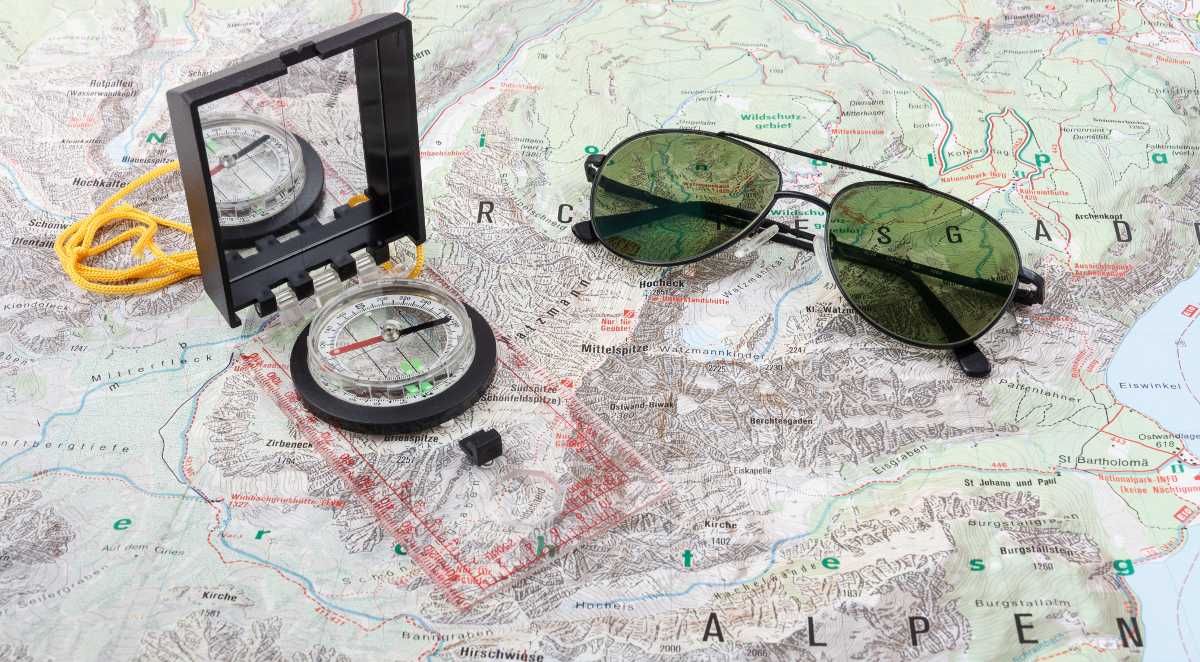
Navigation Tools
You must always carry a compass and an updated map of the area you are canyoning in, along with track notes and guide books. All members should learn how to use these tools, and a group should carry at least two sets of maps, which will be useful in case one gets lost or damaged.