

While traveling, there are so many things that need to be kept in mind―what to pack, what to leave behind, etc. Packing can be stressful, especially if you are a diabetic. Being a diabetic does not mean that you have to stop doing things that you need to do. But, planning ahead can help you avoid a majority of the complications while traveling. Most diabetics tend to limit their activities and destinations, fearing that some emergency would take place while traveling. However, this does not need to be the case.
Whether you are camping out in the woods or off on a long cruise, traveling for a diabetic requires careful planning. These travel tips will keep you safe, happy, and free of any medical emergencies. The changes in meal patterns, time zones, and activity levels can affect your blood sugar levels. To avoid this, you need to be diligent about blood sugar checks and control. Maintaining your usual routine can be tough, but it is not impossible.

⇒ Visit your healthcare provider before you leave for your trip.
⇒ Work with your doctor to plan your meals and medication, especially if you are traveling across different time zones.
⇒ If you are off on a long trip, then get a thorough medical examination done.
⇒ If needed, get your immunization shots. Get them three to four weeks before your trip.
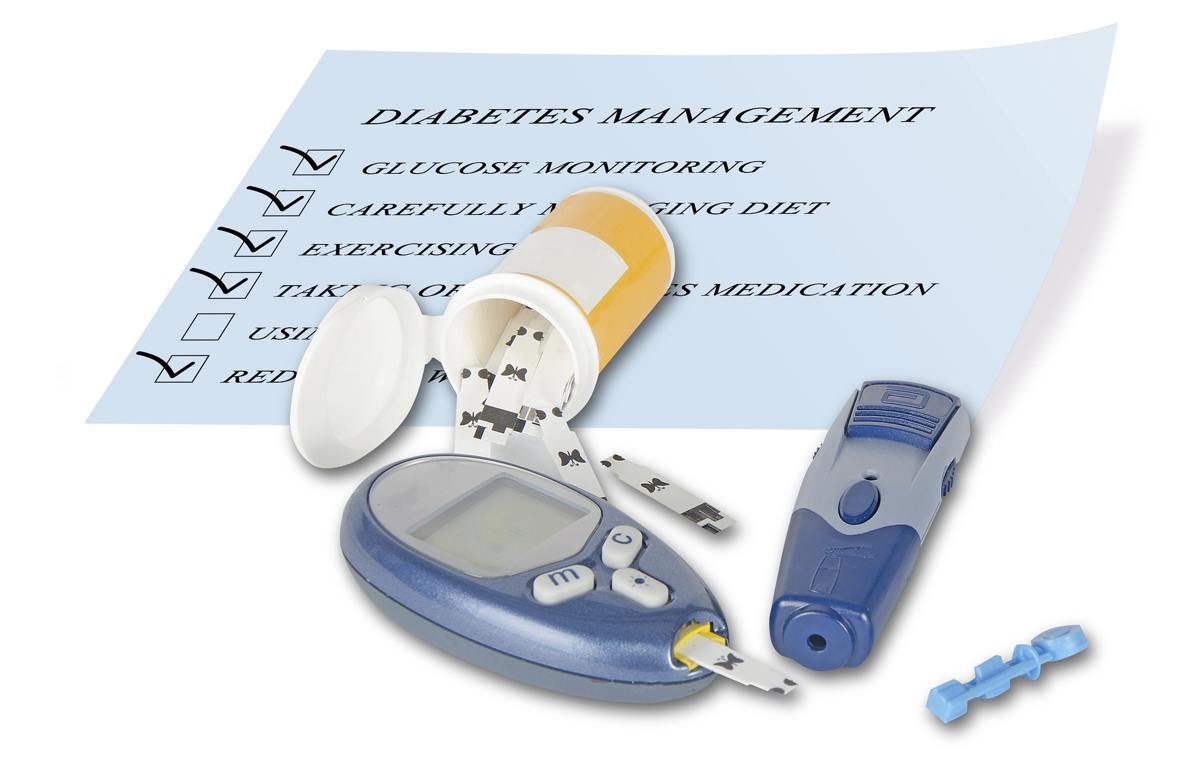
⇒ Keep a list of the medicines and corresponding dosages. This will include diabetes pills, insulin shots, syringes, and any other device that you may be using.
⇒ Check the type of insulin that you take, and find out the types and strengths of insulin available in the area in which you will be traveling to.
⇒ It is also a good idea to check certain things with the airline authorities. Airlines need a doctor’s certificate and written documents for keeping the medicines and syringes on board the flight. According to the Federal Aviation Administration, syringes and insulin-delivery systems should be kept in their original packaging that include the prescription labels.
⇒ Tell security personnel that you have diabetes and are carrying supplies, and if needed, seek support from the airline crew.
⇒ A medical ID is important while traveling. This can be in the form of a diabetes identity card, medical bracelet, or necklace. The ID contains important medical information that can be extremely handy in situations where you are unable to give instructions yourself. Also, National Diabetes Services Scheme (NDSS) card is a primary proof of insulin-treated diabetes.
⇒ While packing, keep a significant portion of medications and supplies in your carry-on luggage.
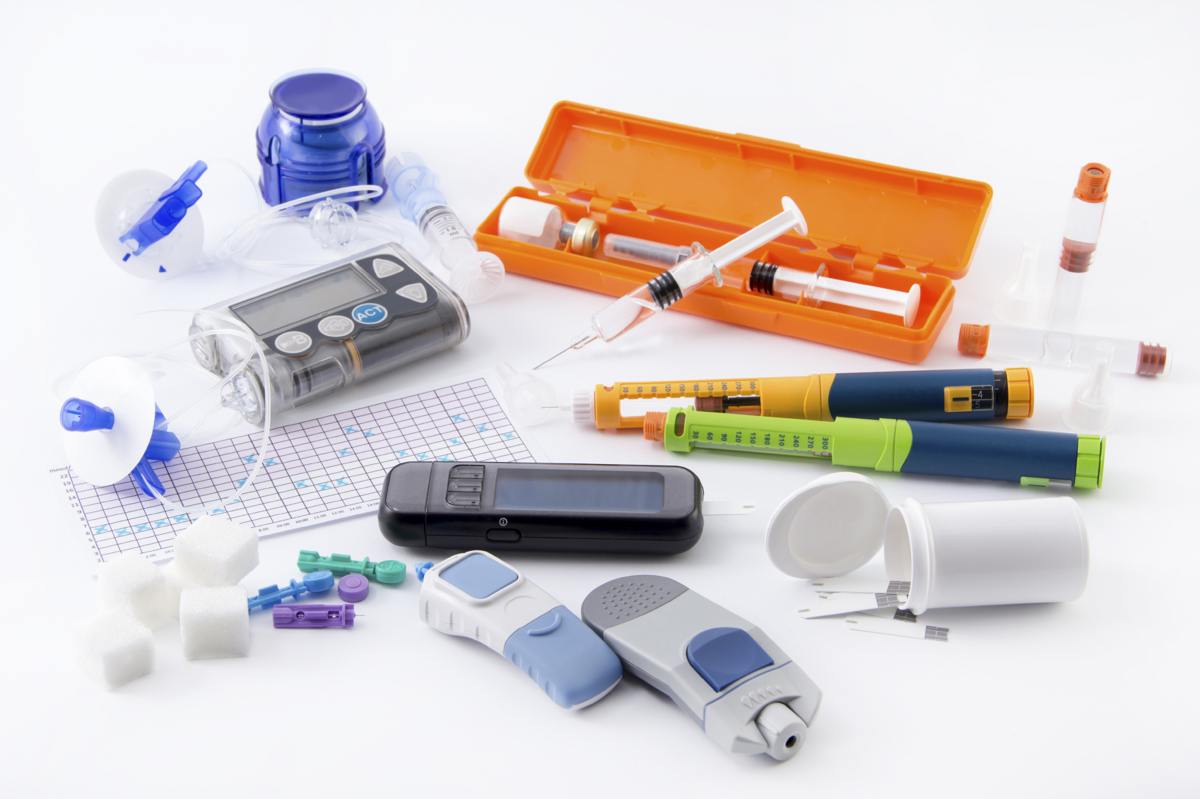
⇒ Carry along with you twice as many syringes, pens, tablets, and insulin as needed. If possible, divide the medications in two bags, in case one is lost while traveling.
⇒ Store the insulin in a bag that would remain in cooler temperature.
⇒ Do not forget to pack blood glucose monitoring equipment. This will also include enough strips, lancets, and a spare battery for the monitoring meter.

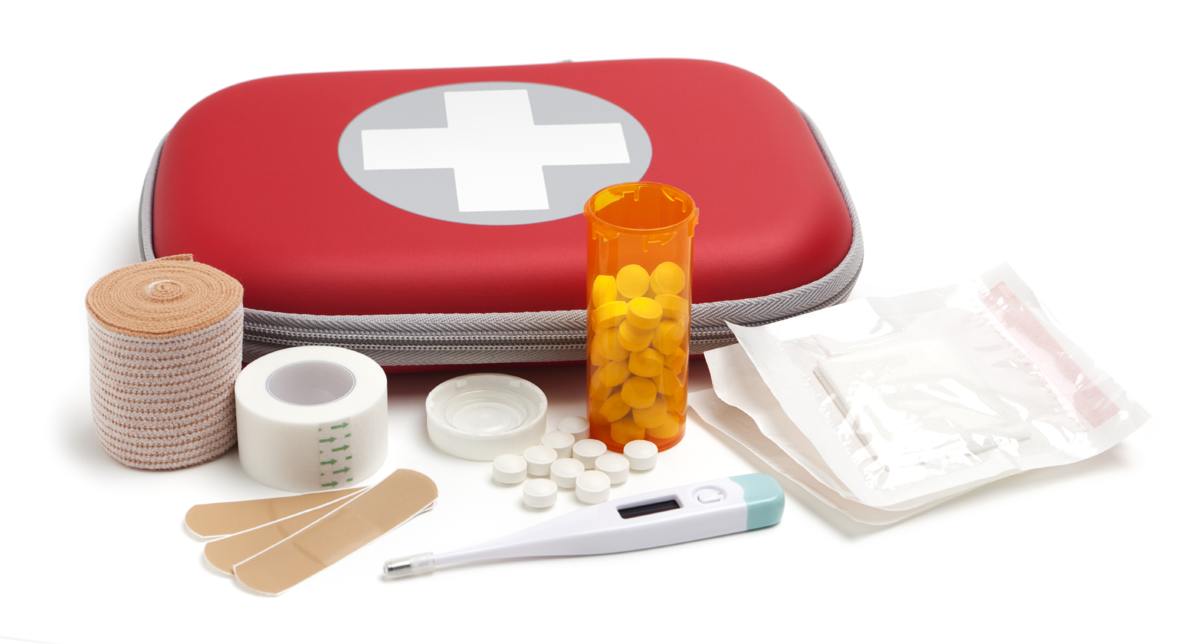
⇒ Other than this, carry a basic first-aid kit, with medications for nausea and dizziness, bandages, gauze, and antibiotic creams.
⇒ Pack two or more pairs of comfortable shoes and socks. As a diabetic, you need to take extra care of your feet.
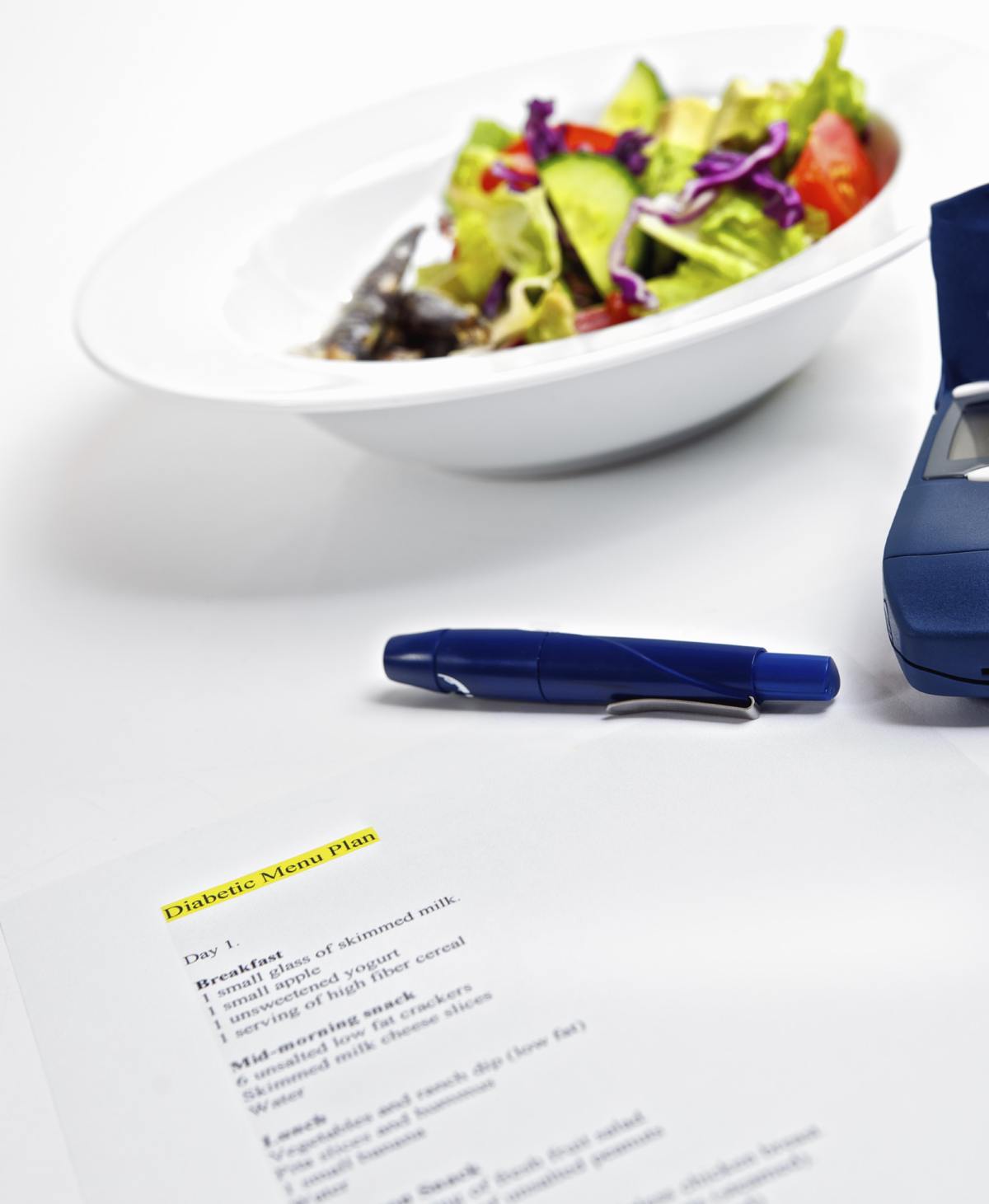
⇒ If you are traveling by road, then moving around every hour or two helps in reducing blood clots.
⇒ Take snacks and bottled water along on a road trip.
⇒ Keep monitoring your blood glucose levels at regular intervals.
⇒ On flight, keep your supplies where you can reach them immediately. Do not keep them in the overhead locker or seat pocket.
⇒ Tell the flight attendants that you have diabetes, and they will ensure you are well cared for.
⇒ Wait for your meal to arrive before taking insulin.
⇒ Sleep well, and drink plenty of water.
⇒ Test your blood glucose regularly, and keep a daily record of the results and medications.
⇒ Follow your usual meal plan.